

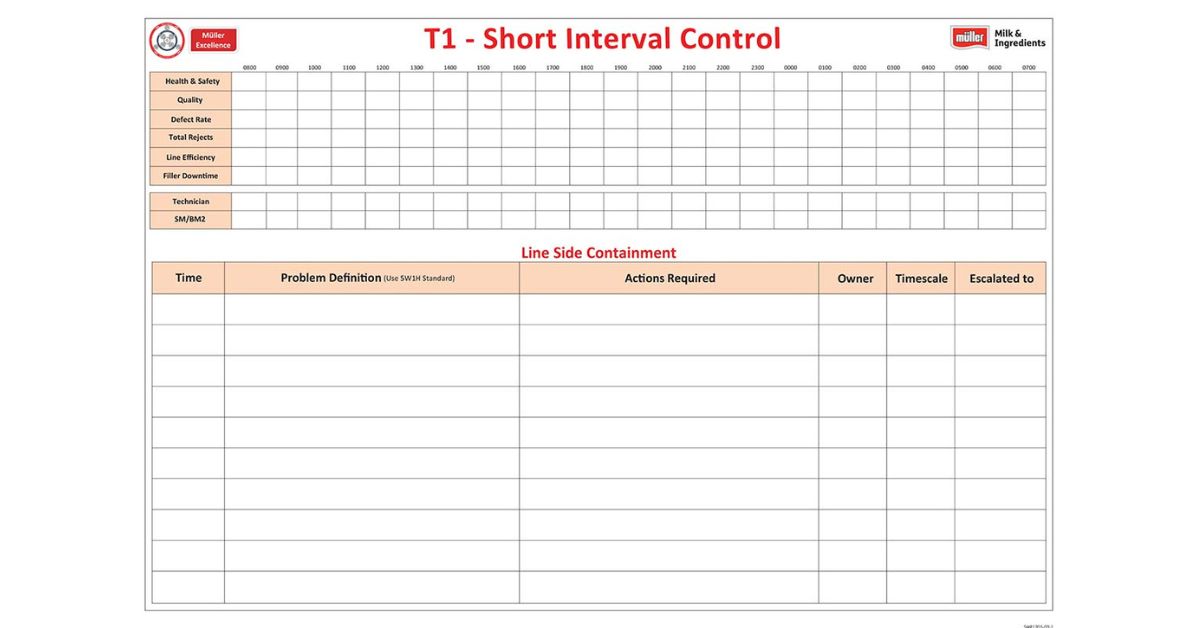
If you’ve ever wished a whiteboard could do more than hold random notes, you’re in the right place. The real upgrade is when the layout is printed onto the surface, so the board stays organized without constant re-drawing and guesswork. The goal is simple: build boards that match how you plan, track, and collaborate in real life, whether that’s at home or on a small-team floor. Explore these DIY projects with custom-printed whiteboards.
Plan Your DIY Board Like a Tool
A DIY project goes smoother when you start with a clear job for your tool, the whiteboard. Before you think about colors, fonts, or fancy sections, decide what the board will be used for.
Start with a “Where Will This Live?” Decision
Placement shapes everything, including how often the board gets updated and whether it becomes a trusted reference. If the board belongs in a kitchen, entryway, workshop, or team space, design around quick glances and fast updates.
A board placed where people naturally pause will get “accidental use,” meaning the right reminder or update happens without effort. That’s where custom printing helps, because consistent lines and labels reduce friction and keep the board looking intentional over time.
Design for the Update Rhythm
A board that expects constant attention often becomes a board people avoid. Instead, match the layout to the real cadence of your life or workflow. If updates happen daily, keep the writable zones generous and the categories simple. If updates happen weekly, you can add a bit more structure and spacing for clarity.
DIY Idea: A Home Command Board
A “command center” sounds intense, but the best version feels calming because it reduces repeated questions and scattered notes. We’ll show how custom-printed layouts can separate daily action from weekly planning, so your board stays readable even when the week gets busy.
Make the Weekly Plan Visible
When the weekly view dominates, the board can feel overwhelming, especially if plans change midweek. A printed layout can help by giving the week a clear, contained area with enough space for legible writing, while keeping the rest of the board available for immediate needs. This balance prevents the “wall of text” problem and makes it easier to spot conflicts quickly.
Add a Printed “Drop Zone” for Loose Ends
Loose ends are the reason many household boards fail, because they pile up in random corners and slowly swallow the layout. A small printed drop zone gives those items a home without hijacking the rest of the board. Think of it as a pressure-release valve for calls to make, forms to return, or quick questions that need follow-up. When the zone is clearly labeled and intentionally small, it stays useful and keeps the overall board feeling clean and trustworthy.
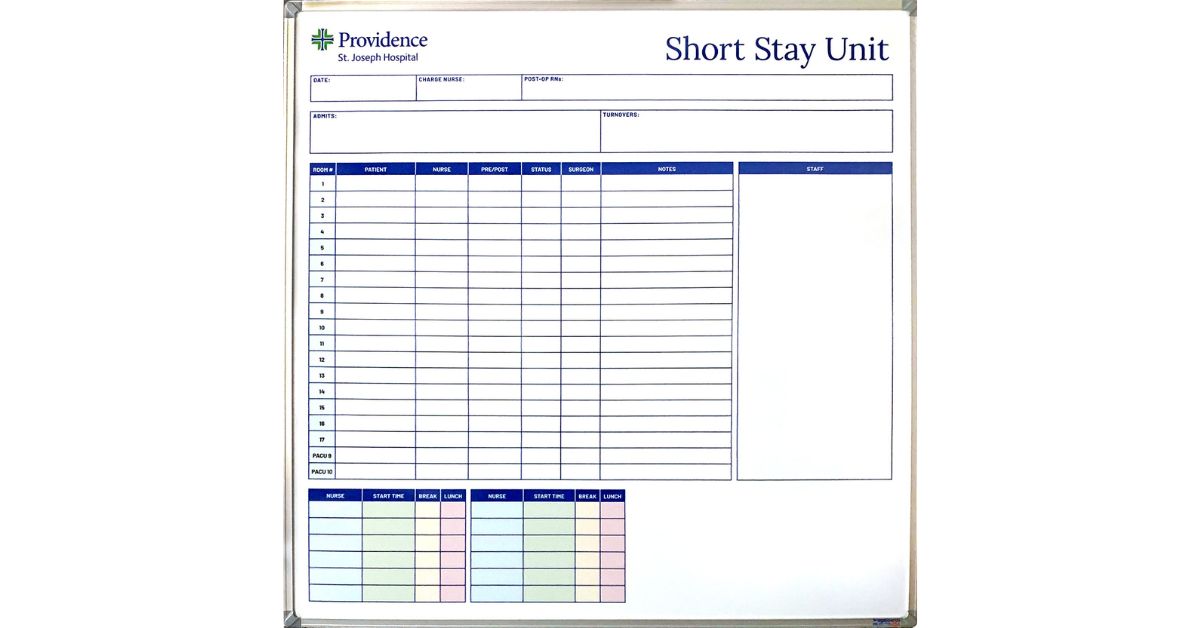
DIY Idea: A Renovation and Workshop Tracker
Home improvement projects often slow down because materials, steps, and responsibilities are spread across too many places. A custom-printed whiteboard solves that by creating a single, visible process that remains consistent across projects.
Print a Materials-First Section
Many projects stall because the next step depends on supplies that aren’t ready. When your board includes a printed materials area, you naturally start planning in a more realistic order. You can list what’s needed, what’s already on hand, and what’s still pending, all without turning the board into a cluttered shopping list. This approach reduces wasted time, helps you budget more clearly, and keeps the project moving.
Create a Simple Progress Lane
A progress lane works best when it stays lightweight and readable, especially in a garage or workshop where conditions aren’t always pristine. A printed progress lane can include a small space for the current step, the next step, and the finish line, which keeps momentum visible without requiring constant reformatting. That steady clarity is what turns a DIY board into a practical project tool.
DIY Idea: A Small-Team Workflow Board
For small teams, the board is often the fastest way to align priorities without opening five tabs. A custom-printed design helps the workflow stay consistent, so updates remain clean even when multiple people write on it.
Use Printed Ownership Fields
If a task has no clear owner, it tends to drift, even when everyone has good intentions. A printed ownership field makes responsibility visible in a way that feels neutral and practical, not personal. When the layout consistently prompts ownership, follow-through improves, and the board becomes a reliable reference instead of a wish list.
Build a “Now, Next, Waiting” Structure
A board becomes hard to trust when everything looks equally urgent. A simple structure helps the team scan quickly and decide what to do first. When this structure is printed, it stays consistent, preventing the creeping chaos that occurs when people improvise new sections in the margins.
A “waiting” area is especially useful because it surfaces blockers like approvals, parts, or customer responses. Once blockers are visible, they become easier to resolve without extra meetings.
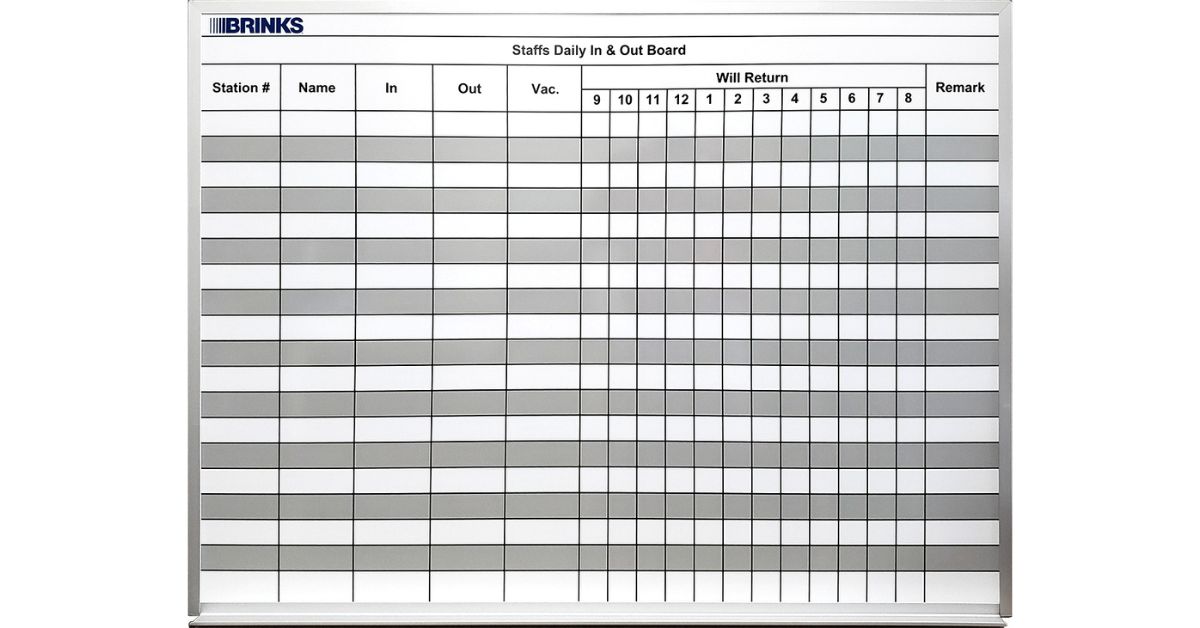
Set Up Your Whiteboard So It Stays Useful
Even the smartest DIY layout can fall apart if it’s hard to maintain. The most successful boards feel easy to update and easy to reset, which keeps them clean and current. A good custom print leaves enough writable space, avoids overly tiny boxes, and includes at least one flexible area for unexpected notes. When the board supports real-life changes, people keep using it instead of working around it.
And when it’s time to refresh, a quick routine helps. A light wipe at the end of the day or week keeps the surface bright and prevents residue buildup from becoming “permanent-looking” haze. The goal is to keep the board readable, trusted, and ready for the next update.
Magiboards USA offers custom whiteboards that fit your routine, so your setup stays organized without constant redrawing. Pick a layout that matches how you actually plan and track tasks, then keep updates quick, readable, and consistent day after day. Whether you’re building a home planning hub or a simple workflow board, a printed design helps the board stay clean, clear, and easy to use when life gets busy. Get your free quote today!
Bring Your Layout to Life
A great DIY whiteboard project is the one that keeps paying off after the novelty fades. When you choose a clear purpose, print a layout that matches your update rhythm, and place the board where it naturally gets used, the result feels less like a craft project and more like a daily support system.
These DIY projects with custom-printed whiteboards are built around real routines and real constraints. Experiment with these ideas and see for yourself how a customized whiteboard become essential tool people lean on. That’s the sweet spot: a board that looks professional, feels easy to maintain, and quietly makes planning, tracking, and teamwork run smoother day after day.