

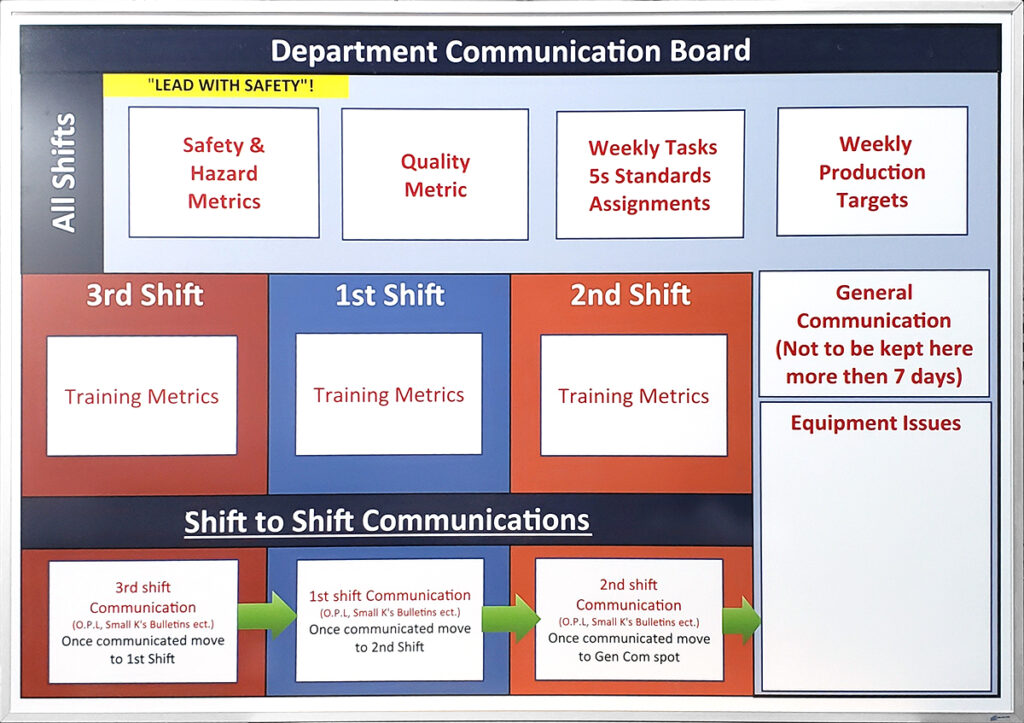
Public libraries do much more than manage collections and circulation. They serve as active community spaces where events take place, visitors seek guidance, and staff coordinate daily operations. In this environment, magnetic boards in public libraries are a practical way to improve communication. When used thoughtfully, these boards help staff present information in a way that feels immediate and easy to understand. This simple tool supports a more organized experience across the building.
Support Clearer Event Communication
Libraries host a steady flow of programs throughout the week. Some events take place in designated rooms, while others happen in open areas. A magnetic whiteboard provides a central place to display what is happening each day. Visitors can glance at the board upon arrival and orient themselves without confusion.
Changes happen often in a busy library setting. Instead of posting temporary signs throughout the building, staff can update a single visible board. This keeps information consistent and easier to follow.
Make Daily Schedules Easy to Read
Clarity matters when presenting a schedule. Visitors should be able to scan the board and understand it within seconds. Clear headings and readable text can make it easier for repeat patrons. Magnetic labels also allow staff to adjust details without rewriting everything, which keeps the board neat and current.
Guide Patrons Through the Building
Many visitors enter the library without knowing exactly where to go. Some need help with services, while others are attending events or using technology resources. A magnetic board near the entrance can provide immediate direction. It helps people understand where to check in and where to find key areas.
This approach reduces the number of basic questions directed at staff. When visitors can find their way independently, employees can focus on more detailed assistance. The overall experience feels smoother from the moment someone walks in.
Placement Shapes Usefulness
Location plays a major role in how effective a board becomes. Areas where people naturally pause tend to work best. If the board is out of sight, fewer visitors will use it. A well-placed board becomes part of the library’s flow rather than an afterthought.
Improve Staff Coordination Behind the Scenes
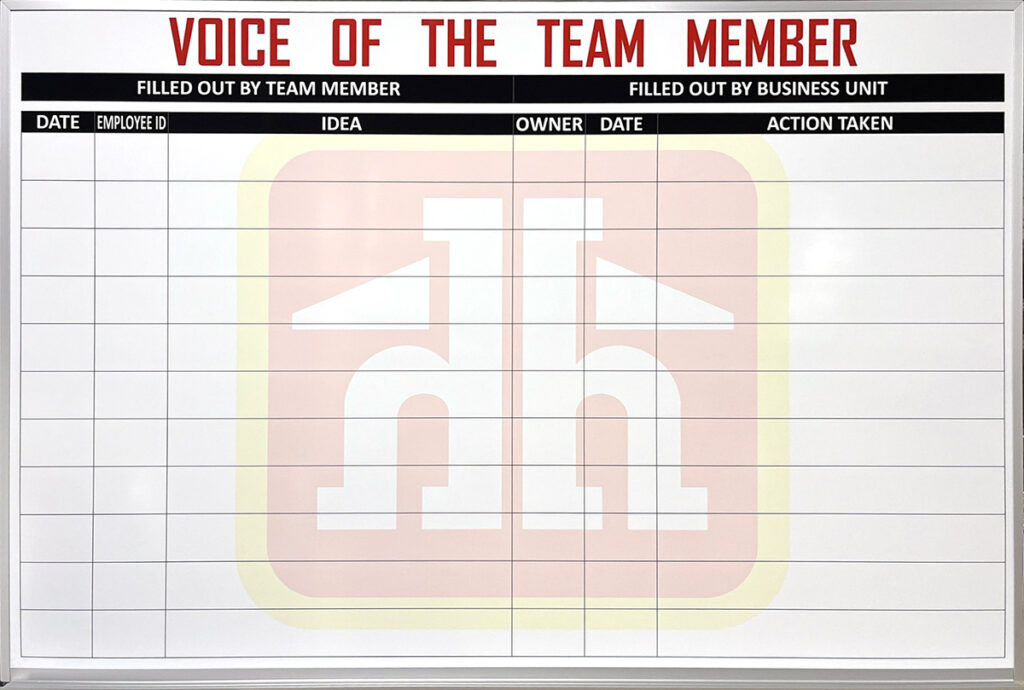
Magnetic boards also support internal communication. Staff members often work in different parts of the building, which can make coordination more difficult. A shared whiteboard provides a clear reference point for daily tasks and responsibilities.
This visibility helps teams stay aligned during busy periods. It also makes it easier for part-time staff or volunteers to understand what needs attention.
Shared Boards Need Clear Update Habits
Consistency keeps a staff board useful. Everyone should understand how and when updates happen. A simple structure helps different shifts maintain accuracy without confusion. Regular attention also prevents the board from becoming outdated.
Make Community Notices Easier to Manage
Libraries often serve as information hubs for their communities. Visitors look for local updates, announcements, and opportunities. A magnetic whiteboard offers a cleaner way to present this information compared to a crowded bulletin board.
Staff can organize notices in a way that feels intentional. They can remove outdated materials quickly to keep the display relevant. This approach helps visitors find useful information without sorting through clutter.
Keep Public Notices Current
A notice board loses value when it contains outdated content. Regular review keeps the display fresh and reliable. Visitors are more likely to trust information that appears current and well maintained.
Support Flexible Meeting Rooms
Meeting rooms in libraries serve many purposes throughout the week. One day may involve a workshop, while another hosts a community group. A magnetic whiteboard helps staff communicate how the space is being used at any given time.
Inside the room, the board can support the activity itself. Groups may use it for notes or discussion points. The ability to attach materials with magnets adds another layer of flexibility without requiring additional tools.
Create Better Displays for Programs and Services
Libraries often need to highlight services that visitors may not notice on their own. A magnetic whiteboard allows staff to feature specific programs in a focused way. Unlike static signage, the display can change as priorities shift.
This flexibility helps prevent information overload. When too many messages compete for attention, visitors may overlook them entirely. A rotating display keeps content fresh and easier to absorb.
Focus Each Display on One Goal
A clear message works better than a crowded one. Staff should choose a single focus for each display. Visitors can understand and act on the information more easily when it stays simple.
Use Custom Printed Boards for Repeatable Library Needs
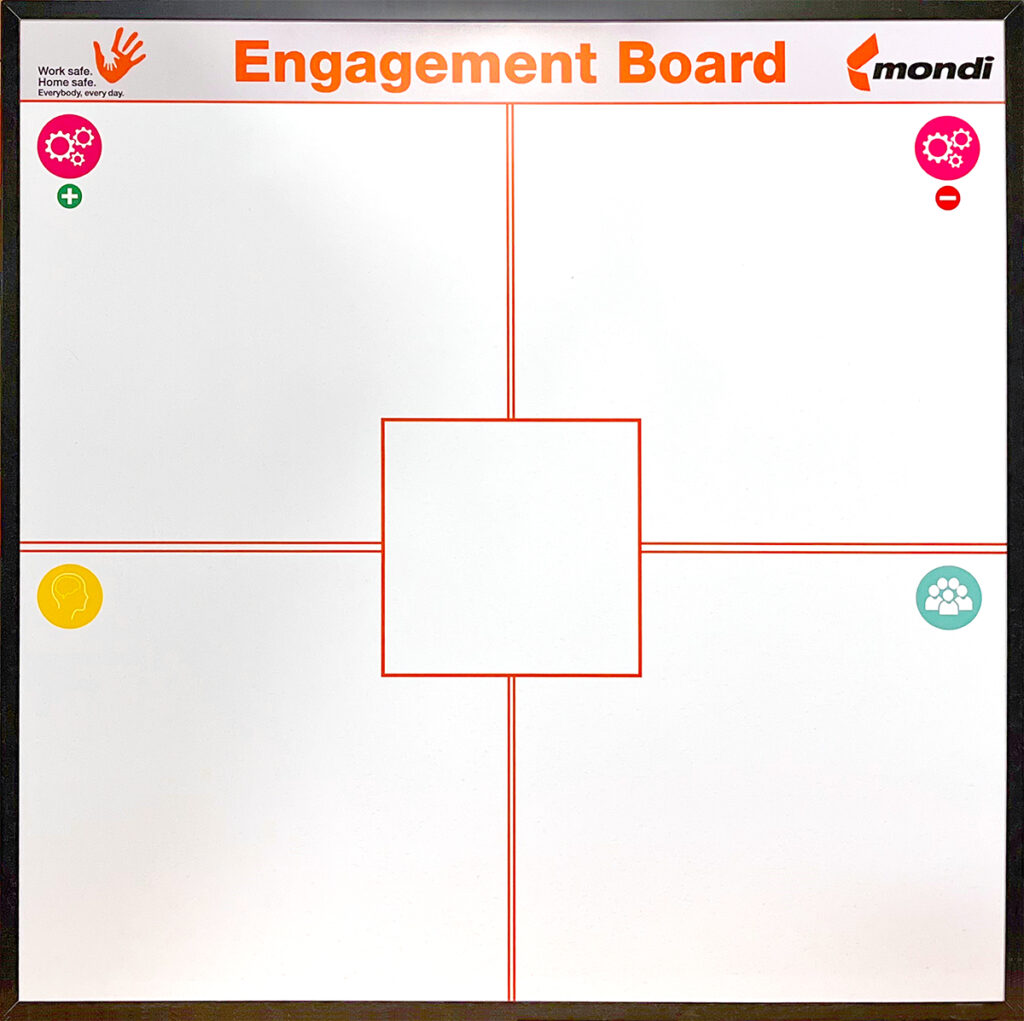
Some boards require the same structure every day. A custom printed magnetic board provides a consistent layout that staff can rely on. Sections for schedules or notices remain in place, while their contents can change as needed.
This approach saves time and creates a more polished appearance. Visitors benefit from a layout that feels familiar, while staff benefit from a system that does not need constant redesign. Without a defined layout, information can become disorganized. Printed sections help guide where content belongs. This keeps the board readable and easier to maintain over time.
Help Patrons Find Time-Sensitive Updates
Libraries often need to communicate changes quickly. A service area might move temporarily, or a room may close for maintenance. A magnetic board allows staff to share these updates in a visible way.
Clear wording helps visitors understand the message right away. When updates appear near the affected area, confusion often decreases. This keeps the library running smoothly even when plans change.
Temporary Updates Should Be Easy to Remove
Once a situation changes, the notice should disappear just as quickly. Magnetic displays make this process simple. Staff can replace information without disrupting the rest of the board. Keep in mind that a board overloaded with information can overwhelm visitors. Staff should focus on what people need to know in the moment.
A well-organized board often highlights:
- Today’s events
- Room changes
- Service updates
- Community notices
- Staff reminders
- Featured programs
This focused approach helps visitors find information quickly. It also makes updates easier for staff to manage.
A Clearer Role for Magnetic Boards in Public Libraries
Understanding the role of magnetic boards in public libraries highlights how a simple tool can support daily operations. These boards help staff communicate clearly, guide visitors, and manage information flexibly. When maintained properly, they become a reliable part of the library environment. Public libraries can use this tool to stay current and keep it easy to understand for their staff and patrons.
Would you like to make library updates easier for patrons and staff to follow? Magiboards USA offers a durable magnetic dry erase board that helps your library present timely information in a clean, organized way. With a reliable surface built for frequent updates, our whiteboards can support clearer communication while keeping daily library notices simple to manage.