

Magnetic whiteboards have become far more advanced than the standard writing surfaces many buyers remember. Today, businesses use them to support real-time communication, planning, scheduling, and visual workflow management.
As workplace needs have changed, whiteboard technology has improved, delivering greater durability, flexibility, and practical value. That combination turns a simple board into a powerful operational tool. For commercial buyers, these advances in magnetic whiteboard technology make them a smarter investment for everyday operations.
Stronger Surface Materials Improve Performance
One of the most important advances in magnetic whiteboard technology involves the writing surface itself. Older boards often developed stains, scratches, and ghosting from frequent use, reducing readability and making the boards look worn.
Newer magnetic whiteboards use improved surface materials that help maintain a cleaner, smoother writing experience over time. Writing appears sharper, colors stand out more clearly, and users can erase content without leaving distracting residue behind.
Cleaner Erasing Supports Faster Updates
Teams often erase and rewrite information many times throughout the day. In manufacturing, that might include production goals, downtime notes, or safety reminders. In healthcare, staff may update patient flow, room turnover, or shift assignments. Cleaner erasing helps teams keep the board current without wasting time scrubbing marks or rewriting over old residue.
Durability Protects Long-Term Value
Commercial buyers want products that hold up under frequent use, and a durable magnetic whiteboard protects that investment by resisting wear in high-traffic spaces. When the board keeps its appearance and function over time, the team can rely on it every day. That reliability creates better value than replacing lower-quality boards more often.
Better Magnetic Strength Expands Functionality
Magnetic strength has also improved in modern whiteboard design. A stronger magnetic surface gives users more control over how they organize and display information. Teams can attach printed instructions, movable labels, process cards, calendars, and status markers directly to the board. That makes the board more flexible and more useful for visual management.
A magnetic whiteboard also allows teams to move items as priorities shift without creating extra clutter. That simple advantage makes the board far more dynamic than a non-magnetic alternative.
Useful Across Multiple Work Environments
Different industries use magnetic whiteboards in different ways, but stronger magnetic performance benefits them all. A hospital can post quick-reference materials and adjust room status markers throughout the shift. Meanwhile, a manufacturer can move production tags between workflow stages as jobs progress. The versatility of magnetic whiteboards makes them an extremely valuable tool across industries.
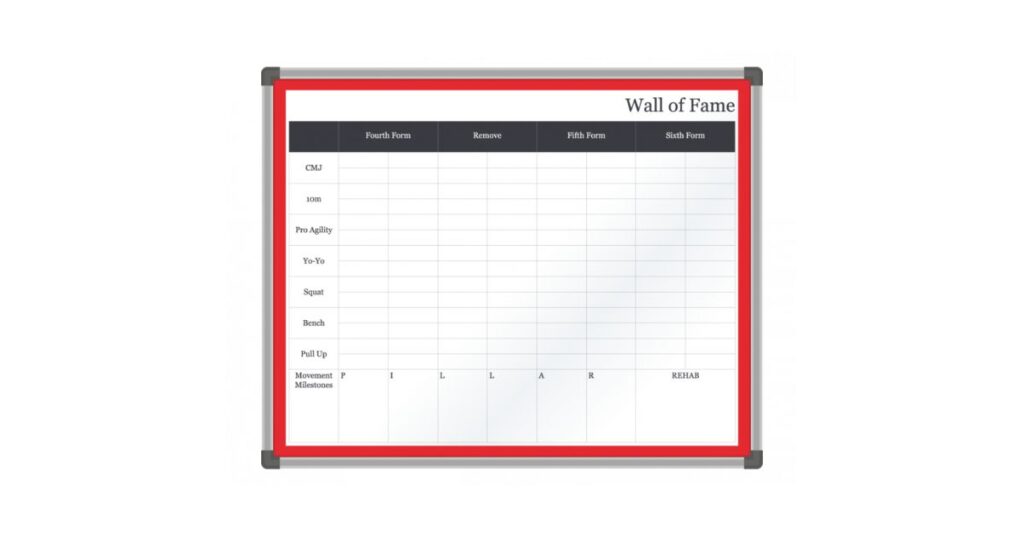
Custom-Printed Layouts
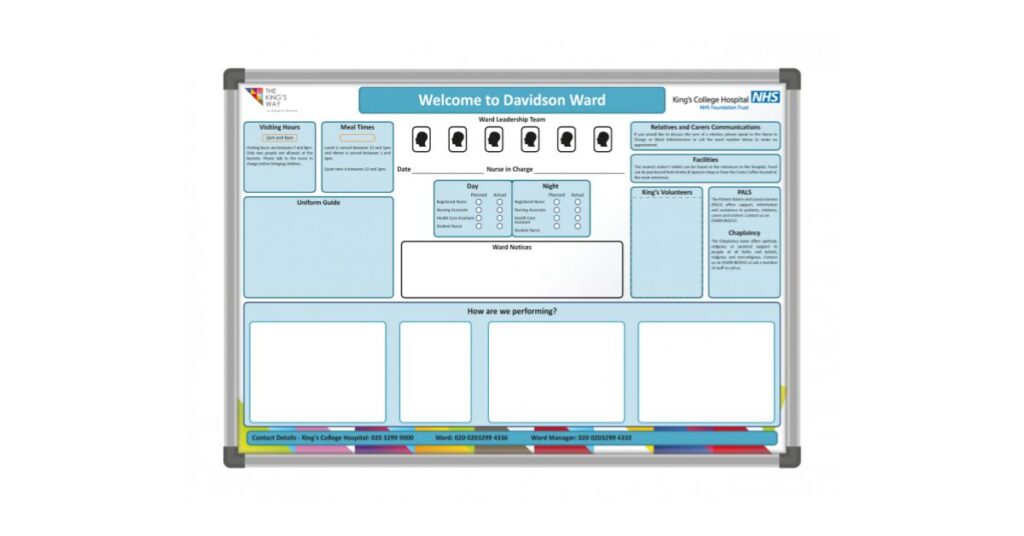
Custom printed magnetic whiteboards represent one of the biggest shifts in the market. Instead of relying on a blank board, businesses can now choose layouts tailored to their exact processes. These layouts may include calendars, production trackers, KPI sections, planning grids, task zones, or communication fields. That structure saves time and improves consistency from the first day of use.
A custom printed board also helps teams avoid repetitive manual setup. Without a printed layout, employees often redraw the same charts, columns, and labels every week or every shift.
Consistency Improves Team Communication
Consistency matters in shared work environments. When every team member uses the same layout, information is easier to find and understand. That leads to quicker meetings, clearer handoffs, and fewer missed details. A custom-printed magnetic whiteboard supports better habits by providing the team with a clear, repeatable visual system.
Mobility and Placement
Modern workspaces do not always operate from one fixed location. Teams may spread out across departments, production cells, conference rooms, or temporary project spaces. That has increased demand for magnetic whiteboards in a range of sizes, formats, and mounting styles. A modern solution should fit both the workflow and the physical space.
Placement affects how often teams use the board. A board that sits near the point of use will attract more attention and more updates throughout the day.
Mobility Encourages Real-Time Collaboration
A mobile magnetic whiteboard helps teams bring planning tools directly into meetings or work zones. That makes communication more immediate and more interactive. Instead of asking everyone to gather around one permanent board, leaders can move the board to the point of discussion. This supports faster collaboration and better engagement.
The Right Size Improves Usability
Board size also plays a major role in usability. A board that is too small may create clutter, while one that is too large may not fit the space effectively. Buyers should choose a size that supports clear writing, an organized layout design, and a comfortable viewing distance. When the size matches the environment, the board becomes easier to use every day.
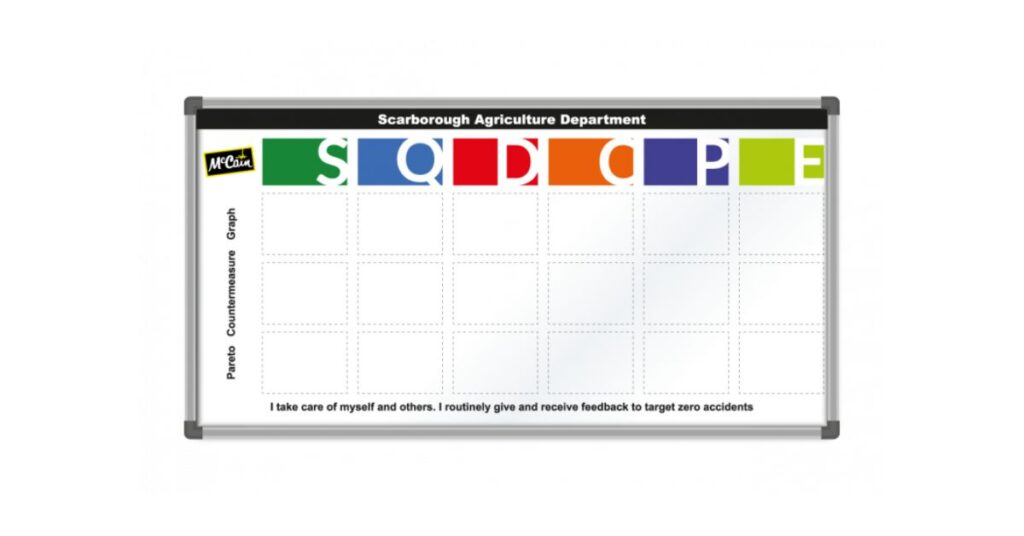
Visual Management Is Driving More Demand
Visual management continues to shape the way businesses use magnetic whiteboards. Teams perform better when they can see priorities, assignments, deadlines, and workflow status in one place. A magnetic whiteboard supports that goal by offering a flexible surface for writing, posting, and moving information. That helps teams stay aligned and act quickly when conditions change.
This demand has increased the value of better board design. Buyers now want products that help them lead meetings, manage teams, and support accountability through visible systems. A custom-printed magnetic whiteboard can do exactly that by turning a wall surface into a structured communication tool.
What Buyers Should Look For
Commercial buyers should focus on performance, usability, and fit-for-purpose when evaluating magnetic whiteboards. A lower-cost option may save money upfront, but poor durability and weak magnetic hold can reduce value over time.
Here are the features that matter most when evaluating a modern magnetic whiteboard:
- Durable surface that resists staining and ghosting
- Strong magnetic hold for labels, notices, and visual tools
- Custom printed layout that matches the workflow
- Clear writing visibility from a distance
- Easy cleaning for high-use environments
- Flexible sizing and mounting options
- Professional appearance for commercial spaces
These features affect both short-term usability and long-term value. A board that cleans easily and stays readable will support more consistent daily use.
The Future of Magnetic Whiteboard Technology
The advances in magnetic whiteboard technology will likely focus on even greater customization and better alignment with workplace needs. Buyers want products that match their exact workflow, fit their space, and maintain a polished appearance over time.
They also want solutions that support both flexibility and structure without adding complexity. That demand will continue to drive product improvement. As more businesses invest in better communication systems, magnetic whiteboards will continue to evolve as practical tools for coordination and planning.
Ready to add a custom magnetic board to your workspace? Magiboards USA offers fully customizable options that match how your team communicates, plans, and manages daily work. Explore a solution built around your workflow and invest in a board that supports both long-term performance and everyday usability.