


A glassboard brings a clean, polished look to offices, healthcare spaces, and home work areas, yet a strong appearance depends on the care routine behind the surface. When you follow these cleaning and maintenance best practices for glassboards, you protect writing clarity, preserve shine, and help every meeting, lesson, or brainstorming session feel more organized. Your board needs steady attention, smart supplies, and daily habits that support the glass rather than work against it.
Build a Daily Cleaning Rhythm
Daily care does more for a glass whiteboard than occasional heavy scrubbing after days of buildup. A quick erase after each use keeps the fresh marker lines from sitting too long, and a dry microfiber wipe at the end of the day removes the dust and fingerprints before those marks settle into a hazy film. This rhythm is crucial in shared spaces where teams write fast, erase fast, and move on quickly.
Choose the Right Cleaning Tools
Your cleaning tools affect the board’s appearance, so low-quality cloths and harsh chemicals often create more work than value. A soft microfiber cloth lifts dust and marker residue without grinding debris into the glass, while a mild, glass-safe cleaner removes oils and streaks without leaving heavy residue. Rough paper towels, abrasive pads, and aggressive cleaners tend to scratch trim, spread lint, and leave a cloudy finish that hurts the crisp look expected from white glassboards. To keep your board sharp year after year, use tools that respect premium materials and deliver polished results.
What to Keep in Your Cleaning Kit
- Clean microfiber cloths reserved for board care
- A non-abrasive glass-safe cleaner
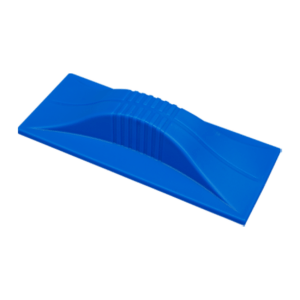
- A dry eraser in strong condition
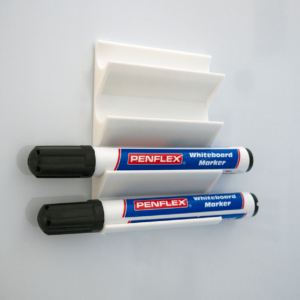
- Fresh dry-erase markers made for glassboards
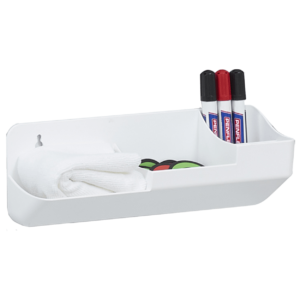
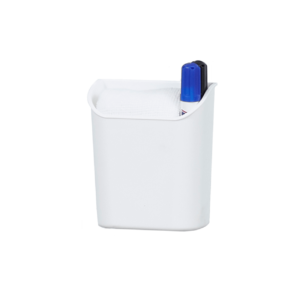
- A small tray or organizer for supplies
- Spare clothes for heavier use days
Keep each supply close to the board, so your team never skips care just because the cleaner is stored elsewhere. Clean cloths matter more than buyers expect: a dirty one can smear residue and dull the glass in minutes. Easy access to supplies supports better habits, since users usually follow the simplest routine rather than the ideal one. A cleaning kit that’s simple, visible, and well-stocked makes good upkeep part of the day instead of an afterthought.
Stop Residue Before Ghosting Starts
Glass resists ghosting better than many traditional dry-erase surfaces, yet poor habits still leave a visible film if your team ignores routine care. Low-grade markers, old erasers, and rushed wipe-downs often create dull writing zones where residue builds repeatedly, especially near the center or common agenda sections.
You solve most problems with speed and consistency, since fresh residue wipes away quickly while older buildup requires more cleaner, more rubbing, and more time. When you wipe the board regularly before the film thickens, your glassboard keeps the bright, clean look that drove the purchase in the first place.
Clean Edges, Trays, and Hardware
Most people focus on the writing area and ignore the spots users touch each day. Finger oils collect along the edges, marker dust gathers in trays, and grime builds around mounts or rails, so a spotless panel still looks neglected when its surroundings are dirty.
Those small zones shape the full impression, especially in reception areas, conference rooms, and executive offices, where visitors notice the presentation in seconds. To keep a premium look, include the tray, corners, wall space, and every visible hardware point in your weekly routine.
Teach Users Better Daily Habits
A glassboard lasts longer and looks better when all users follow the same basic rules. Ask your staff, teachers, or family to erase writing after use, cap markers, keep dirty cloths away, and avoid touching the surface with lotion, food residue, or wet hands.
Though these habits seem small, consistent user behavior shapes daily board conditions more than any deep cleaning ever could. Training people to respect the surface makes maintenance easier, extends the life of your supplies, and ensures the board is ready for the next person.
Handle Stubborn Marks Without Damage
Every board owner eventually encounters heavier marks, particularly in rooms with constant writing, older markers, or infrequent cleaning. When a stubborn line remains, start with a fresh dry-erase marker over the old mark, erase, and then use a microfiber cloth with a small amount of cleaner if needed.
This method loosens dried ink without requiring rough scrubbing that can damage trim, spread grime, or leave streaks. Strong maintenance always begins with the least aggressive solution, as controlled care protects the surface better than force.
Use Better Markers for Better Results
Your marker choice affects both writing performance and maintenance. Quality dry-erase markers for glassboards produce stronger contrast, erase more cleanly, and leave less residue than bargain markers that dry out quickly or drag during meetings. Darker inks improve visibility in large rooms, while dried-out tips create patchy writing that forces users to press harder and leaves uneven residue. For a professional experience, pair it with supplies that match its quality.
Schedule Deeper Care for Busy Spaces
High-traffic boards need more than daily erasing because heavy use leaves behind fine marker dust, hand oils, air residue, and grime at every high-touch point. A weekly surface cleaning works well for many office settings, while classrooms, healthcare areas, and collaborative team spaces often benefit from two deeper wipe-downs each week plus a monthly full inspection.
This deeper care should move from top to bottom in a steady pattern so you catch every corner, dry the surface fully, and avoid pushing residue from one section into another. When you follow a set schedule instead of waiting for a visible mess, your board keeps a more consistent finish and a stronger professional presence.
Protect Long-Term Performance
Long-term board care depends on consistency more than effort, because steady routines prevent the type of buildup that turns a quick wipe into a full restoration project. When you clean with care, inspect hardware, train users, and address residue early, your board keeps its polished look and supports a stronger daily experience for everyone who writes on it. Keep these cleaning and maintenance best practices for glassboards in mind, as strong upkeep protects both its appearance and performance in the long term.
Choose glass whiteboards from Magiboards USA for a sleek, durable writing surface that keeps your workspace clean and polished every day. With the right care routine, your board stays clear, easy to maintain, and ready for meetings, lessons, and team planning. Invest in a solution that looks sharp, works hard, and supports a professional space for the long run.