

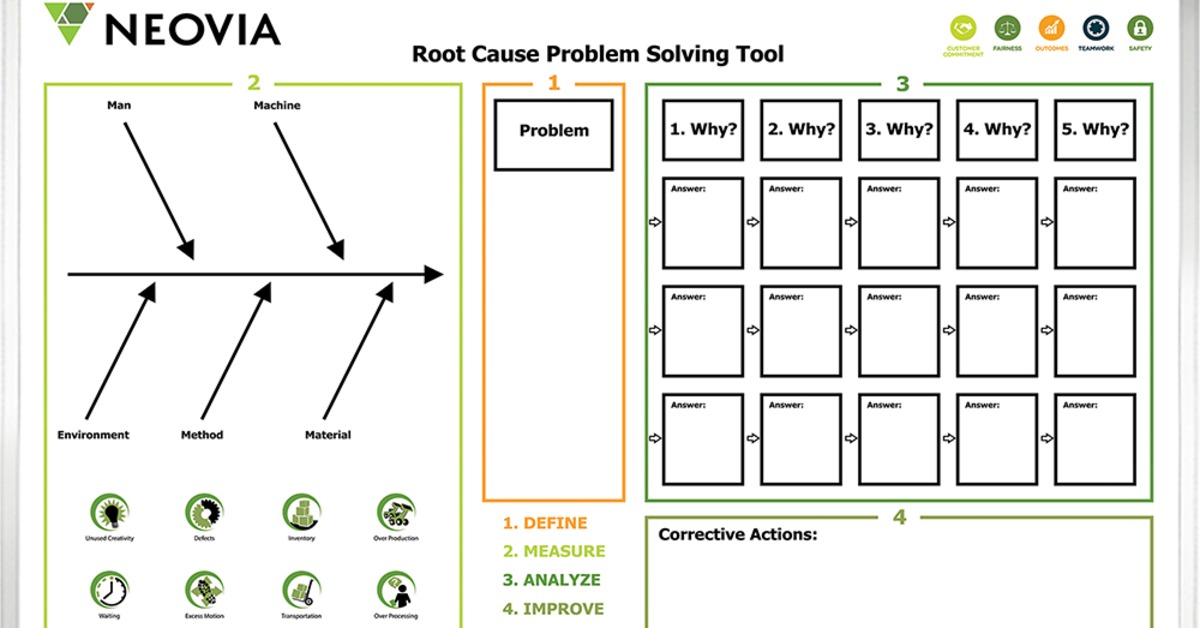
Meeting rooms work best when teams can move from discussion to action without losing important ideas along the way. A thoughtful approach to creating effective meeting room whiteboard systems gives employees a reliable place to organize information while they work through decisions.
Instead of treating the whiteboard as an empty surface that changes from meeting to meeting, teams can build a system around how they actually communicate. This helps the room support clearer conversations from the moment people walk in.
Observe the Way the Meeting Room Gets Used
Every meeting room serves a slightly different purpose. Some spaces support short daily huddles, while others host longer planning sessions. Before choosing a whiteboard system, look at the conversations that happen most often in the room.
A team that regularly reviews projects may need a large visual area for progress updates. Another room may support brainstorming and require more open writing space. The system should follow the work instead of forcing every meeting into the same format.
Evaluate the Existing Meeting Routine
Pay attention to what employees already write during meetings. Notice which information appears repeatedly and where discussions tend to become confusing. Those patterns can help you decide how much structure the board needs.
You should also consider how many people usually attend. A board that works for four people may feel too small for a larger group. Viewing distance and room layout should shape the final setup.
Avoid Turning the Board Into Storage
Old notes can make the board harder to use. If the information no longer supports an active conversation, move it into the appropriate digital system. This keeps the whiteboard focused on current work.
The board should also help people think and communicate in the room. It doesn’t need to hold every detail from every meeting. A cleaner surface gives employees more room to work through what needs attention now.
Build a Consistent Layout for Recurring Meetings
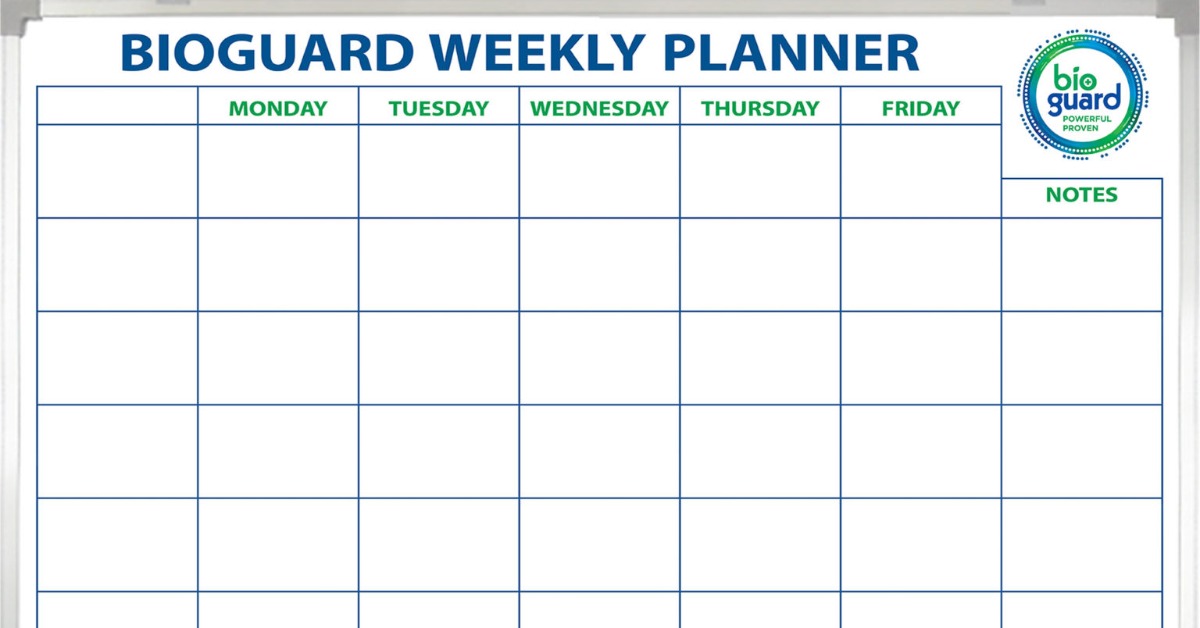
Teams often repeat the same types of discussions each week. They may review progress, resolve open issues, or plan upcoming work. A consistent whiteboard layout can make those meetings easier to start.
Instead of drawing the same sections before every session, teams can use a custom printed layout. Permanent headings give the room a familiar structure while leaving writable areas open for changing information. This allows employees to see where each update belongs immediately.
Keep Permanent Sections Simple
A printed layout should support the meeting without controlling every part of it. Too many permanent boxes can leave little room for unexpected discussion. Build structure where teams need consistency and leave enough open space for flexibility.
Useful meeting-room sections may include:
- Main objective
- Current discussion
- Open issue
- Decision
- Next action
- Owner
- Follow-up date
Unsure which sections you need? Having a simple design usually gives teams more room to adapt.
Use Rail Whiteboard Systems for Flexible Meeting Spaces
Some meeting rooms need more writing space than a single fixed board can provide. Rail whiteboard systems can support spaces where teams regularly shift between different kinds of discussion. The system allows the room to accommodate more visual information without requiring each board to occupy a separate wall.
This can be useful when teams want to preserve one set of notes while working on another surface. Employees can keep an earlier discussion visible while continuing to develop ideas elsewhere. Flexible board access allows the room to support those changing needs.
Plan the System Around Movement
A rail whiteboard system should fit the room without interfering with people or furniture. Consider where participants stand during discussions and how easily employees can reach each writing surface. The system should make movement easier, not create another obstacle.
Make Important Information Easy To See
Even the best meeting structure loses value if people cannot read the board. Visibility should influence everything from board placement to writing size. Participants should be able to follow the conversation without leaving their seats every few minutes.
The team can use spacing to create a clear visual hierarchy. Having a simple, organized board helps participants locate information without interrupting the discussion. Avoid filling every inch of the board. Open space improves readability and gives employees room to contribute new ideas as the meeting progresses.
Match the Board to the Room
Larger rooms often need larger writing surfaces. Smaller rooms may benefit from a more compact whiteboard with a stand that does not overwhelm the wall. The board should still feel proportional to the space and the typical group size.
Consider common sightlines as well. If furniture blocks part of the board, employees may stop using that area. If you need to move the board frequently or need more height, a standing whiteboard may be the best option for your team.
Separate Discussion From Final Decisions
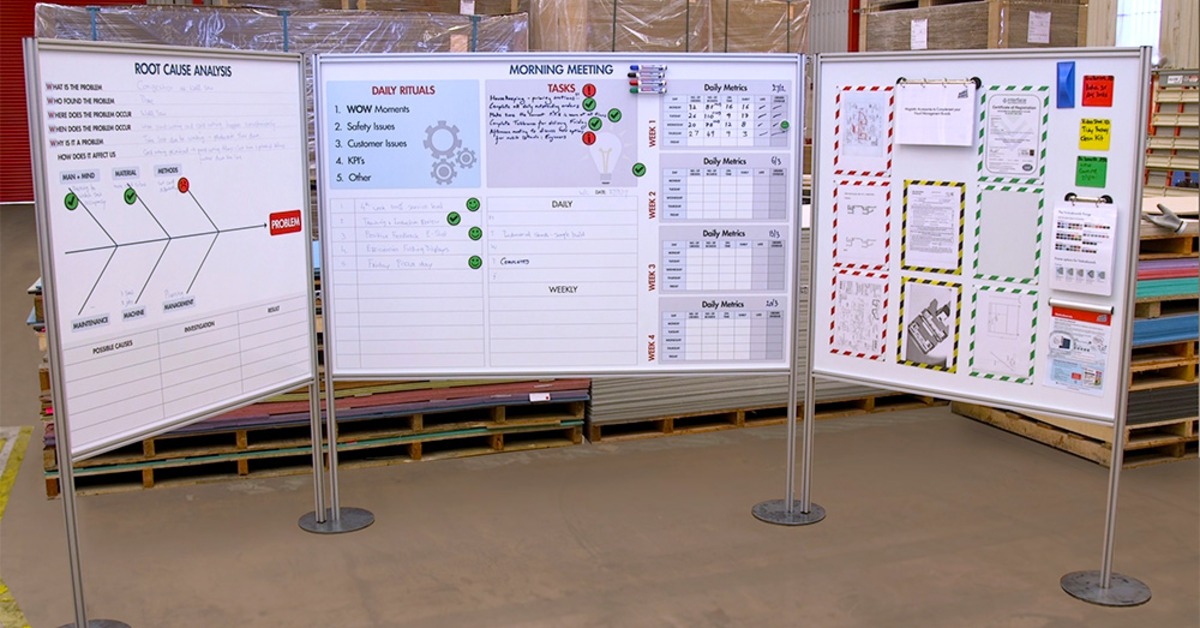
Meetings often produce more ideas than the team will actually pursue. If brainstorming notes and final decisions appear together, employees may leave with different interpretations of what the group agreed to do. A sliding whiteboard system can help separate those stages.
Use one area for active discussion and another for confirmed decisions. As the meeting progresses, move only approved next steps into the final section. This creates a clear visual transition from conversation to action.
Make Ownership Visible
Every action should connect to someone who will move it forward. Write the owner next to the final decision while everyone remains in the room. This reduces confusion later. Ownership should stay simple and visible! The board only needs enough information to make the next step clear.
Evaluate Whether the System Still Works
Meeting habits change over time. A whiteboard system that worked well last year may no longer fit the team’s current process. Periodic review helps keep the setup relevant. Ask employees which areas they use most often. Then, look for spaces that stay empty during meetings.
Those behaviors can reveal where the system needs adjustment. Sometimes a simple change in placement or layout can make the board easier to use. Teams should treat the system as a practical tool rather than a fixed rule.
Watch How People Interact With the Room
The best feedback often comes from observing real meetings. See whether participants naturally refer to the board or ignore it. Notice whether people can easily reach the surface! A useful whiteboard system should support the meeting without drawing attention to itself. When employees use it naturally, the room starts to feel more functional.
Build a Meeting Room System That Supports Better Work
A practical approach to creating effective meeting room whiteboard systems starts with understanding how people already use the space. Consistent layouts can help teams move through recurring discussions with less setup.
The strongest systems also connect discussion with action. Teams can separate ideas from decisions and keep ownership visible before everyone leaves the room. With thoughtful placement and a custom-printed design, a whiteboard system can turn the meeting room into a clearer, more productive workspace.
Ready to create a more effective meeting room? Magiboards USA offers a wide variety of whiteboards, so you can choose a setup that matches how your team actually works. Our whiteboards can help you build a meeting space that keeps ideas visible! Choose from custom-printed designs to flexible rail systems today at Magiboards USA.