

Magnetic whiteboards may look straightforward, but manufacturers keep improving the materials and production methods behind them. Today’s boards combine more refined steel surfaces and increasingly flexible manufacturing options.
As you explore recent innovations in magnetic board materials, you can see how these developments affect more than just appearance. They influence how you write on the board, how you use magnetic accessories, and how easily you can fit the finished surface into a specific workspace.
Magnetic Coated Steel Supports More Flexible Use
Steel remains central to modern magnetic whiteboard construction because it gives the board its magnet-receptive quality. Rather than adding a separate magnetic accessory panel, manufacturers can build that function directly into the writing surface.
This creates a board that supports more than marker-based communication. You can attach schedules or movable indicators directly to the surface. When information changes, you can reposition those magnetic elements without rewriting the entire board. As a result, one board can support handwritten updates while also holding movable visual information.
Magnetic Function Has Become Part of the Workflow
The value of magnetic steel becomes clearer when you use the board for changing information. Instead of drawing every status marker by hand, you can move magnetic indicators as priorities shift.
That flexibility works especially well for planning boards and visual management systems. You keep the basic structure visible while adjusting individual pieces as the work changes.
Coating Technology Continues To Improve Writing Surfaces
The steel underneath provides magnetic performance, but the coating determines how you interact with the board every day. Manufacturers continue refining these coatings to create smoother writing surfaces and dependable dry-erase performance.
Across the broader whiteboard industry, manufacturers also keep refining ceramic and enamel coatings. These finishes bond closely with steel and create hard writing surfaces that resist routine wear.
The technology has existed for years, but manufacturers keep improving production precision. Better control over coating thickness helps manufacturers maintain a more consistent finish from one section of material to another.
Surface Quality Affects Daily Use
A whiteboard surface has to do more than look clean on installation day. You write on it repeatedly, erase it, and return to the same areas over time. As a result, coating quality directly affects the long-term experience. A well-made surface stays useful after regular cleaning and repeated marker use.
Custom Sizing Gives You More Control Over the Installation
Material advances also support greater flexibility in board dimensions. Standard sizes still work well in many settings, but your workspace does not always follow standard measurements.
Custom sizing lets you choose a board that fits the available wall rather than forcing the room to fit a predetermined product. You can give the board enough room for the information your team actually needs instead of squeezing a complex workflow into a small area.
Permanent Printing Changes How Teams Use Magnetic Boards
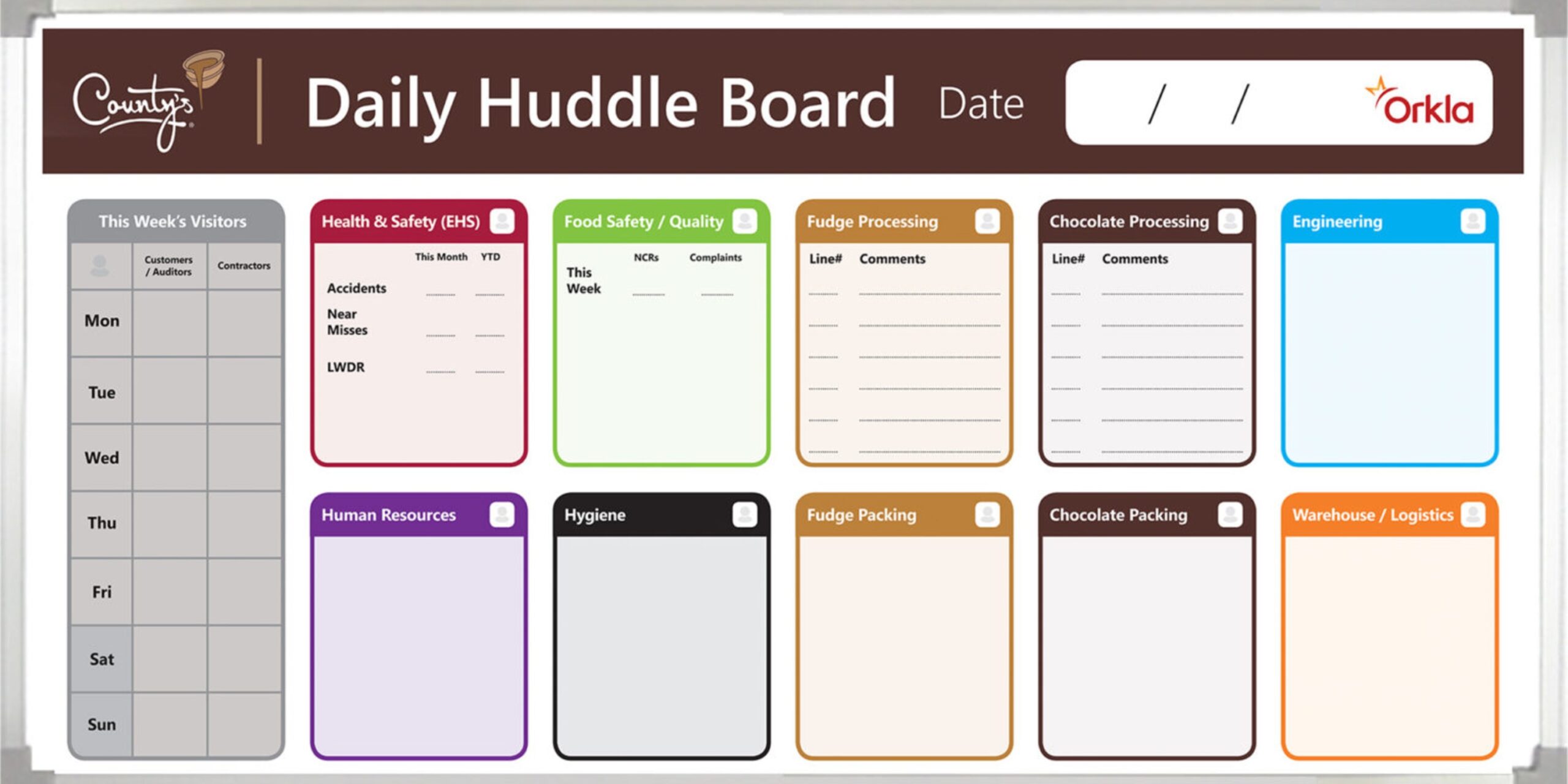
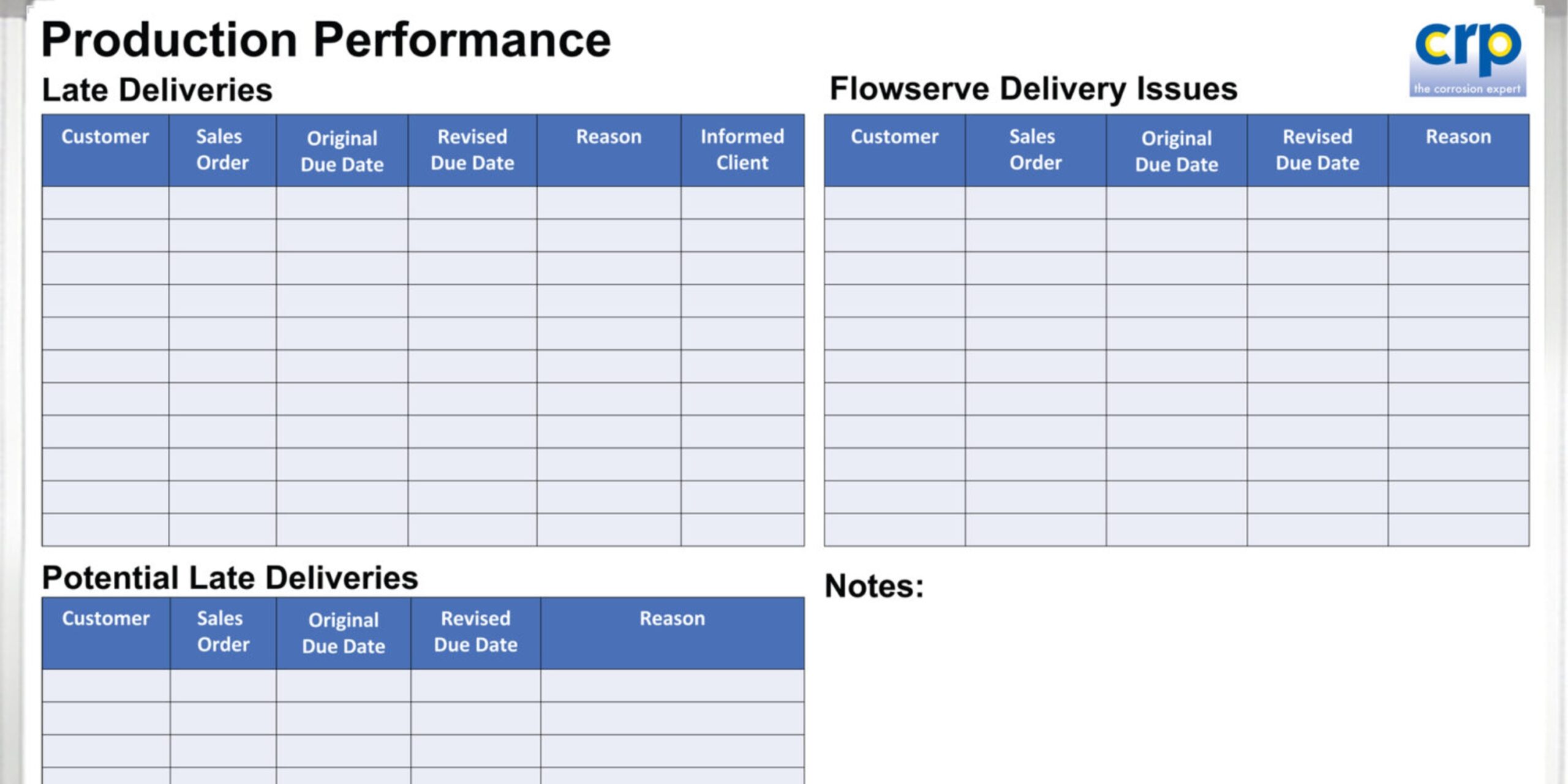
Customization has also changed the way organizations approach whiteboard layouts. Instead of redrawing the same lines or headings every time you clean the board, you can now use permanent printed elements beneath the writable surface.
This allows you to create a fixed structure while keeping the working areas writable. For example, a team can keep the permanent framework in place and update only the changing information. This saves you from rebuilding the visual system after every reset.
Common permanent elements include:
- Section headings
- Planning grids
- Calendar structures
- Workflow areas
- Reference graphics
- Status fields
The key advantage comes from separating permanent structure from temporary content. Once you establish the framework, you can focus on the changing information instead of recreating the board itself.
Magnetic Accessories Have Become More Useful
As magnetic boards have become more adaptable, the accessories that work with them have become more useful, too. You no longer have to rely entirely on handwritten notes to show movement or status.
For example, you can move a magnetic indicator when a task changes status. You can also reposition a label without erasing the surrounding content. This kind of interaction works well when your information changes frequently. The board keeps its overall structure while individual pieces move through it.
Frame and Mounting Options Continue To Evolve
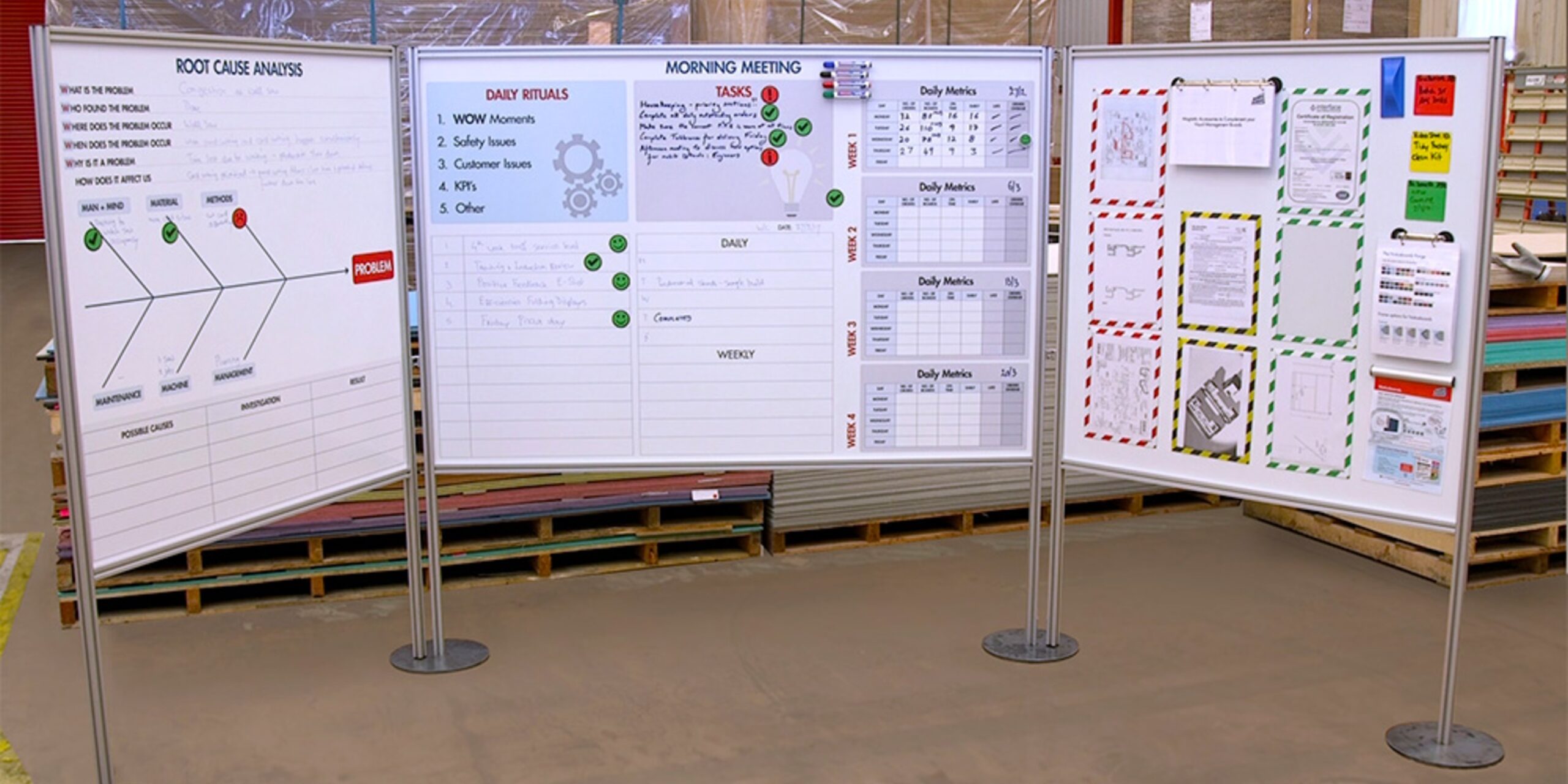
Material innovation does not stop at the writing surface. The frame and mounting system also affect how the finished board performs in your space. Manufacturers now offer different frame choices.
This can influence how the board integrates into the room. A wall-mounted format keeps the writing surface in one predictable location, which works well when your team returns to the same planning area every day.
You also gain more usable floor space compared with a freestanding board. In a busy office or operational environment, that can help keep walkways clear while giving the team a permanent visual reference.
Durability Still Drives Material Development
Recent innovation often focuses on new capabilities, but durability remains just as important. A magnetic board must withstand repeated writing and cleaning while keeping the surface you depend on every day.
Steel-based construction gives manufacturers a sturdy foundation for that performance. High-quality coatings then protect the writing surface and support continued dry-erase use. As a result, material development continues to focus on longevity alongside flexibility. Manufacturers need surfaces that perform well when new and continue to support everyday use over time.
See What Modern Magnetic Board Materials Can Do
As you explore recent innovations in magnetic board materials, you can see how much development happens beneath the surface. Manufacturers continue improving coated steel while expanding the formats they can produce. At the same time, custom sizing and permanent printing give you more control over how the finished board fits your workflow.
These advances also change how you interact with the board. Magnetic accessories let you reposition information without starting over, while dry erase coatings keep handwritten updates flexible. Together, these features give you a visual surface that evolves throughout the workday.
Ready to bring a more flexible planning surface into your workspace? Magiboards USA offers magnetic dry-erase whiteboard options built with magnetic-coated steel, giving you a durable surface that works with magnetic accessories as your needs change. Upgrade your workspace with a board that keeps daily information visible and gives your team a more adaptable way to organize what matters.