

Plenty of teams compare writing surfaces and interactive displays without considering how they actually use the room. A more practical view of how magnetic glassboards compare to smartboards helps buyers separate everyday communication needs from presentation-driven technology needs. The difference usually comes down to workflow, visibility, and how long information needs to stay in front of people. Once those factors are clear, the comparison becomes much more useful.
Start With the Main Difference in Daily Use
A magnetic glassboard or whiteboard works as a physical writing and display surface. Teams can write on it and keep visual information in front of the room without turning anything on. A smartboard is an interactive digital display designed for screen-based collaboration and presentation. Both support communication, but they do it in very different ways.
That difference affects how people use the surface from the moment they wake up. A glassboard feels ready the moment someone walks up with a marker. A smartboard is most useful when the meeting relies on slides or digital tools. One supports visible planning with very little friction, while the other supports digital interaction.
One Fits Visual Planning Better
Many teams do not need a screen for every meeting. They need a place to map ideas and update details quickly as the conversation changes. In those settings, a magnetic glassboard often fits the work more naturally than a digital display.
One Fits Presentation-Led Rooms Better
Some rooms revolve around screen sharing or live digital annotation. A smartboard tends to fit those spaces better because the display itself drives the session. That makes it stronger for presentations than for low-tech planning walls.
Writing and Erasing Feel More Natural on Glass
Writing comfort shapes whether people use a board spontaneously or avoid it. Glassboards offer a smooth writing surface that erases cleanly and stays visually sharp over time. The product pages you shared also emphasize ghosting and staining resistance, which are important in rooms where people write frequently and expect the board to stay clean after heavy use.
A smartboard can support writing, too, but the experience depends on the stylus and calibration. Some users like the ability to save digital notes, yet the surface does not feel the same as writing with a marker on glass. For quick brainstorming, many teams find a physical writing surface easier to use.
Magnetic Display Adds a Practical Advantage
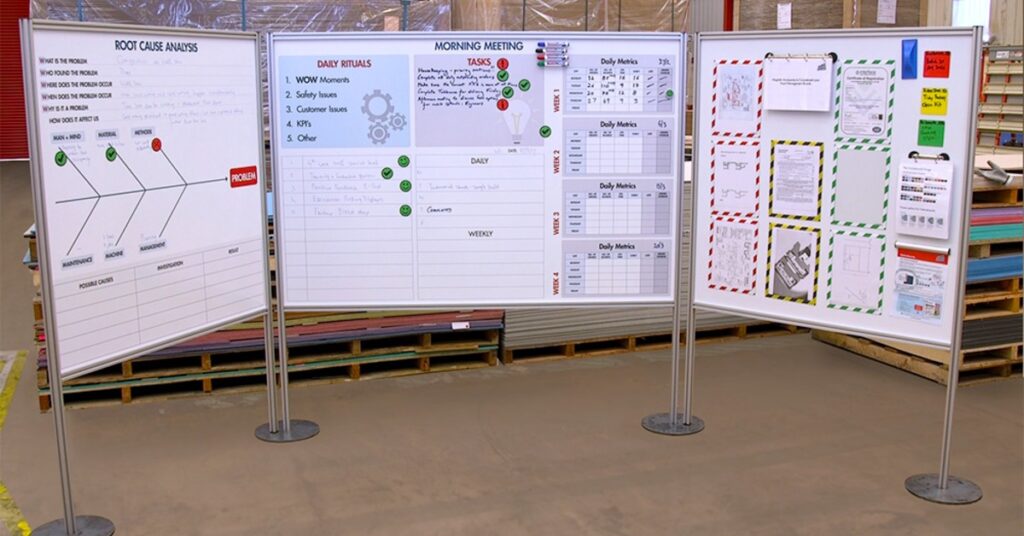
One of the strongest reasons teams choose magnetic glassboards and whiteboards is that they can write and display information in the same place. That matters in rooms where people still work with printed schedules, checklists, or process documents. A smartboard can display digital files beautifully, but it does not replace the usefulness of a physical surface that holds printed materials in view while still giving people room to write around them.
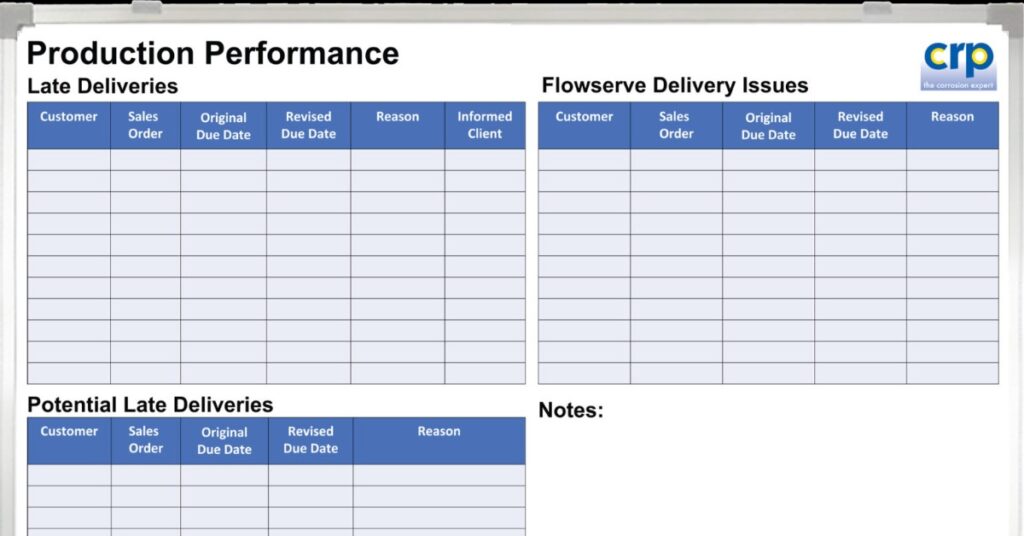
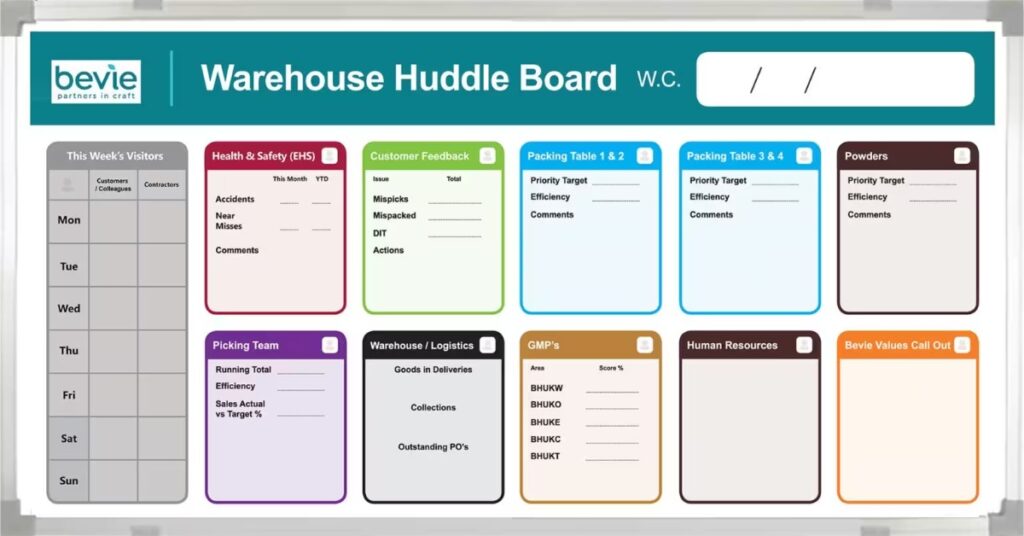
This becomes even more valuable when the board includes a custom printed layout. A planning board can carry labeled zones or workflow areas built into the design.
Customization Changes the Value of a Glassboard
A generic comparison between glassboards and smartboards misses an important point. Some magnetic glassboards can be custom printed, and some changeable versions can even swap inserts behind the glass without replacing the full board. That makes them more flexible than many buyers expect, especially in rooms that need a design that may change later.
That flexibility creates a different kind of long-term value. A smartboard can change what appears on the screen, but a changeable or printed glassboard can support a physical communication system tailored to the room itself.
Changeable Designs Make Repurposing Easier
Some teams need a board that can evolve with the room. A changeable glassboard supports this by letting the display behind the glass update more easily than a fixed printed board. This can help when a room gets repurposed or communication needs shift over time.
Technology Demands Are Very Different
A magnetic glassboard asks very little of the room once installed. It does not need power, software updates, or technical troubleshooting. The value comes from being ready every day with almost no friction.
A smartboard introduces a different ownership experience. It may require power access and occasional support when something does not connect or behave as expected. None of that makes it a poor choice, but it does make it a better fit for rooms where the digital features get used often.
Maintenance and Long-Term Appearance Favor Glass
Long-term appearance matters in customer-facing offices and busy team spaces. Glassboards are often chosen because they keep a polished look while resisting ghosting and staining better than many traditional dry-erase surfaces.
A smartboard raises a different maintenance question. The issue is not usually ghosting on the surface. It is whether the touch function and software continue to perform well over time. Those are two very different kinds of ownership decisions. Buyers should consider surface longevity on one side and the technology lifecycle on the other.
Room Type Usually Decides the Better Option
The best choice often becomes obvious when you think about the room’s purpose. A team communication area often benefits more from a magnetic glassboard. These spaces rely on visible information, repeat updates, and quick changes that people can make without navigating technology.
A training room or presentation-led meeting space often leans the other way. Smartboards work better when people need to display digital materials, annotate over files, or interact with content on screen during the session. They support a different kind of collaboration. The better fit depends less on hype and more on what people do there every day.
Ask What the Surface Needs to Do
This question usually gets better answers than asking which option is more advanced. If the room mostly needs visible planning and physical posting, glassboard or whiteboards have a strong advantage. If the room revolves around live digital content, the smartboard makes more sense.
Practical Decisions Usually Favor the Use Case
A useful look at how magnetic glassboards compare to smartboards should focus less on category labels and more on what helps the room function better. Magnetic glassboards or whiteboards offer a strong mix of clean writing and low-friction daily use. Meanwhile, smartboards bring digital interactivity into the room and make more sense when screen-based communication drives the meeting. When the choice stays tied to real workflow, the better option usually becomes clear very quickly.
Plenty of teams compare writing surfaces and interactive displays without considering how they actually use the room. A more practical view of how magnetic glassboards compare to smartboards helps buyers separate everyday communication needs from presentation-driven technology needs. The difference usually comes down to workflow, visibility, and how long information needs to stay in front of people. Once those factors are clear, the comparison becomes much more useful.
Start With the Main Difference in Daily Use
A magnetic glassboard or whiteboard works as a physical writing and display surface. Teams can write on it and keep visual information in front of the room without turning anything on. A smartboard is an interactive digital display designed for screen-based collaboration and presentation. Both support communication, but they do it in very different ways.
That difference affects how people use the surface from the moment they wake up. A glassboard feels ready the moment someone walks up with a marker. A smartboard is most useful when the meeting relies on slides or digital tools. One supports visible planning with very little friction, while the other supports digital interaction.
One Fits Visual Planning Better
Many teams do not need a screen for every meeting. They need a place to map ideas and update details quickly as the conversation changes. In those settings, a magnetic glassboard often fits the work more naturally than a digital display.
One Fits Presentation-Led Rooms Better
Some rooms revolve around screen sharing or live digital annotation. A smartboard tends to fit those spaces better because the display itself drives the session. That makes it stronger for presentations than for low-tech planning walls.
Writing and Erasing Feel More Natural on Glass
Writing comfort shapes whether people use a board spontaneously or avoid it. Glassboards offer a smooth writing surface that erases cleanly and stays visually sharp over time. The product pages you shared also emphasize ghosting and staining resistance, which are important in rooms where people write frequently and expect the board to stay clean after heavy use.
A smartboard can support writing, too, but the experience depends on the stylus and calibration. Some users like the ability to save digital notes, yet the surface does not feel the same as writing with a marker on glass. For quick brainstorming, many teams find a physical writing surface easier to use.
Magnetic Display Adds a Practical Advantage
One of the strongest reasons teams choose magnetic glassboards and whiteboards is that they can write and display information in the same place. That matters in rooms where people still work with printed schedules, checklists, or process documents. A smartboard can display digital files beautifully, but it does not replace the usefulness of a physical surface that holds printed materials in view while still giving people room to write around them.
This becomes even more valuable when the board includes a custom printed layout. A planning board can carry labeled zones or workflow areas built into the design.
Customization Changes the Value of a Glassboard
A generic comparison between glassboards and smartboards misses an important point. Some magnetic glassboards can be custom printed, and some changeable versions can even swap inserts behind the glass without replacing the full board. That makes them more flexible than many buyers expect, especially in rooms that need a design that may change later.
That flexibility creates a different kind of long-term value. A smartboard can change what appears on the screen, but a changeable or printed glassboard can support a physical communication system tailored to the room itself.
Changeable Designs Make Repurposing Easier
Some teams need a board that can evolve with the room. A changeable glassboard supports this by letting the display behind the glass update more easily than a fixed printed board. This can help when a room gets repurposed or communication needs shift over time.
Technology Demands Are Very Different
A magnetic glassboard asks very little of the room once installed. It does not need power, software updates, or technical troubleshooting. The value comes from being ready every day with almost no friction.
A smartboard introduces a different ownership experience. It may require power access and occasional support when something does not connect or behave as expected. None of that makes it a poor choice, but it does make it a better fit for rooms where the digital features get used often.
Maintenance and Long-Term Appearance Favor Glass
Long-term appearance matters in customer-facing offices and busy team spaces. Glassboards are often chosen because they keep a polished look while resisting ghosting and staining better than many traditional dry-erase surfaces.
A smartboard raises a different maintenance question. The issue is not usually ghosting on the surface. It is whether the touch function and software continue to perform well over time. Those are two very different kinds of ownership decisions. Buyers should consider surface longevity on one side and the technology lifecycle on the other.
Room Type Usually Decides the Better Option
The best choice often becomes obvious when you think about the room’s purpose. A team communication area often benefits more from a magnetic glassboard. These spaces rely on visible information, repeat updates, and quick changes that people can make without navigating technology.
A training room or presentation-led meeting space often leans the other way. Smartboards work better when people need to display digital materials, annotate over files, or interact with content on screen during the session. They support a different kind of collaboration. The better fit depends less on hype and more on what people do there every day.
Ask What the Surface Needs to Do
This question usually gets better answers than asking which option is more advanced. If the room mostly needs visible planning and physical posting, glassboard or whiteboards have a strong advantage. If the room revolves around live digital content, the smartboard makes more sense.
Practical Decisions Usually Favor the Use Case
A useful look at how magnetic glassboards compare to smartboards should focus less on category labels and more on what helps the room function better. Magnetic glassboards or whiteboards offer a strong mix of clean writing and low-friction daily use. Meanwhile, smartboards bring digital interactivity into the room and make more sense when screen-based communication drives the meeting. When the choice stays tied to real workflow, the better option usually becomes clear very quickly.
Magiboards USA offers a wide variety of glassboards and whiteboards for sale that align with how teams actually manage information throughout the day. Whether you need a clean writing surface for meetings or fully customizable options designed around your space and workflow, Magiboards USA can support a more organized and effective communication system from day one.