

If you work in real estate, you already know how quickly priorities can change. One moment you’re responding to a new lead, and the next you’re coordinating a showing or managing a transaction deadline. Looking at how realtors use whiteboards for client management can help you create a more visible, organized workflow without adding another complicated system to your day.
A well-designed whiteboard keeps important information where you can see it. Instead of wondering what needs attention next, you have a clear visual reference that helps you stay focused on active clients and upcoming tasks.
Why Realtors Need a Visible Client Management System
Think about how many clients you’re managing at any given time. You may have a seller preparing to list, a buyer actively touring homes, and another client approaching closing. While your CRM contains all the details, it doesn’t always give you an instant snapshot of what deserves your attention right now.
That’s where a whiteboard can help. Rather than digging through emails or switching between software platforms, you can glance at the board and immediately see what’s happening across your pipeline. During busy weeks, that visibility can make a difference in how efficiently you work.
Whiteboards Help You See the Next Move
In many cases, successful client management comes down to taking the next action at the right time. Maybe a buyer needs fresh listings, or perhaps a seller is waiting for showing feedback. Another client may need a reminder about paperwork or financing documents. When those next steps stay visible, it’s easier for you to keep the momentum moving.
Organize Clients by Stage in the Pipeline
Have you ever looked at a long client list and wondered where to start? One way to make client management easier is to organize people by their position in the process. Instead of seeing a collection of names, you see where each client stands and what type of attention they may require.
As clients move through your pipeline, you can move them across the board as well. Over time, that visual progression gives you a clearer picture of your business activity and helps you identify areas that may need more attention.
Your Pipeline Should Reflect How You Work
Every real estate business is different. If you spend most of your time generating leads, your board may need more space dedicated to prospecting activities. If listings make up the majority of your business, seller tracking may deserve greater emphasis. The most effective whiteboard is the one that mirrors your actual workflow.
Keep Buyer Clients Moving With Clear Tracking
Working with buyers often means managing many moving parts. Search criteria evolve, and showing schedules can shift quickly. A whiteboard gives you a simple way to keep active buyers visible. Before making a call or scheduling a showing, you can quickly review where that client stands and what needs to happen next.
This visibility can also help you identify stalled activity. If a buyer hasn’t toured homes recently or still needs to complete a financing step, you’ll notice it sooner. That gives you an opportunity to reconnect before momentum slows down too much.
Manage Seller Updates More Consistently
Seller communication can be just as important as buyer communication. Even when there isn’t major news to share, sellers want to know their property remains a priority. A whiteboard can help you keep track of listing-related activities such as preparation, showings, and pricing discussions. When those items remain visible, it’s easier to identify which sellers may need an update.
Visibility Builds Seller Confidence
Many seller concerns arise when communication slows. By keeping listing activity visible, you can schedule updates more consistently and address questions before they become frustrations. Over time, that consistency helps strengthen trust and improve the overall client experience.
Keep Pending Transactions Under Control
Once a property goes under contract, the workload often becomes more detailed. Inspection deadlines, appraisal schedules, financing milestones, and closing requirements all need attention. Missing even one important date can create unnecessary stress for everyone involved.
A whiteboard gives you a quick way to monitor active transactions and identify which files need immediate attention. Instead of relying solely on digital reminders, you have a visible reference that helps keep important deadlines top of mind.
Visible Deadlines Reduce Last-Minute Surprises
When important dates remain in front of you throughout the day, you’re more likely to prepare ahead of time. That extra visibility can help reduce rushed decisions and create a smoother experience for both you and your clients.
Improve Team Coordination in the Office
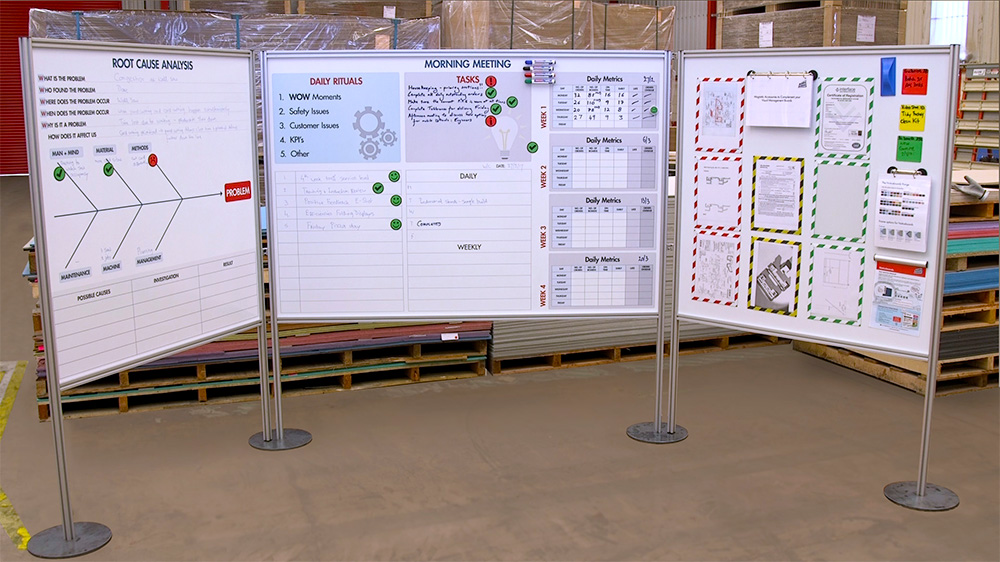
If you work with assistants or other agents, communication becomes even more important. A shared whiteboard can help everyone stay aligned by showing who owns a task and what still needs attention. Rather than interrupting each other for updates, team members can quickly review the board and understand where things stand. This creates a more efficient workflow and helps ensure clients receive a consistent experience.
Use Whiteboards Alongside Digital Real Estate Tools
You probably already rely on several digital tools to run your business. CRMs and communication software all serve important purposes. A whiteboard fills a different role. Rather than storing detailed records, it helps you see what deserves attention today. Think of it as a visual dashboard that complements the systems you’re already using. Many agents find that combining digital tools with a visible whiteboard creates a stronger overall workflow.
Visibility and Documentation Work Together
Your CRM should remain the home for client histories and detailed records. The whiteboard simply helps you focus on current priorities. When both systems work together, managing client relationships becomes much easier.
Build a Daily Review Habit Around the Board
Even the best whiteboard won’t help if it isn’t part of your routine. Consider reviewing the board at the beginning of each day to identify priorities before appointments and meetings begin. Then take another look later in the afternoon to capture updates.
These quick reviews help ensure the board stays accurate and useful. If you work with a team, the board can also become a valuable part of short daily meetings. Reviewing active items together helps everyone stay aligned and focused on what needs attention next.
Stronger Client Management Starts With Better Visibility
A thoughtful approach to using whiteboards for client management can help you stay organized and improve communication. By keeping client activity visible, a whiteboard can become a practical tool that supports your daily workflow.
When designed around the way you actually work, it becomes more than a planning surface. It becomes a simple, effective system that helps you stay focused on the relationships and responsibilities that drive your success.
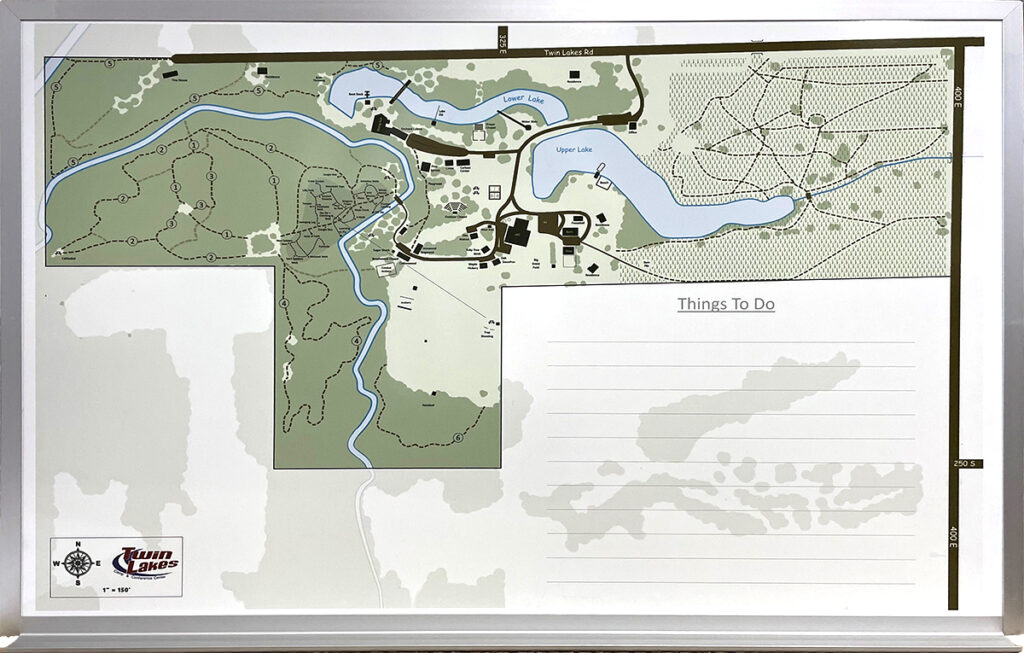
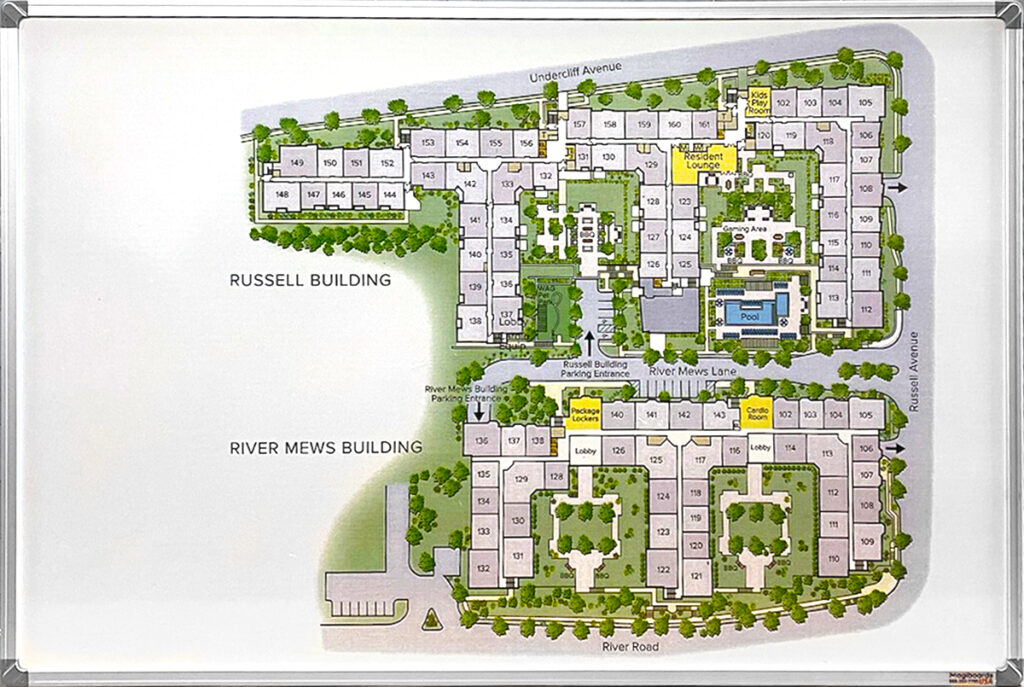
Ready to bring clearer visibility into your real estate workflow? Magiboards USA offers large wall-mounted whiteboards that give agents and teams a central place to manage client activity throughout the day. With fully customizable layouts built around your real estate process, our whiteboards can help you stay organized and keep every client relationship moving in the right direction.