

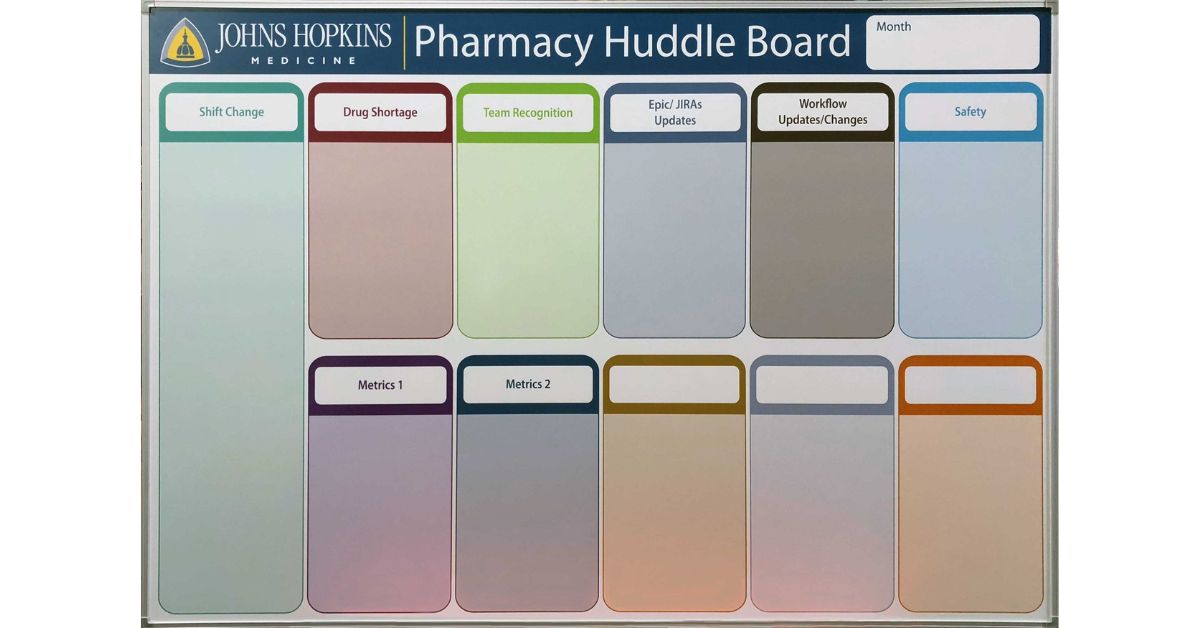
Hospitals and healthcare facilities had to rethink communication when COVID-19 changed daily operations. Whiteboards became working tools for patient communication, infection control support, staff coordination, and unit visibility.
Teams needed information in front of them, not buried in a conversation or scattered across loose paper notes. Whiteboards filled that gap by providing caregivers and patients with a clear visual reference within rooms and across departments. Here is how the pandemic changed whiteboard use in healthcare.
Daily Communication Surface
Before the pandemic, many healthcare teams used whiteboards sparingly. Staff often wrote the nurse’s name, the date, and a few reminders, then relied on verbal updates for the rest. Once visitor access tightened and patient uncertainty increased, that basic use no longer covered what patients and teams needed. Whiteboards became more intentional because they helped healthcare staff communicate essential information in a visible, repeatable format.
Patient Questions Increased
Patients often had fewer in-person conversations with family members during the pandemic. They also saw more masks, more PPE, and more short clinical interactions that focused on urgent care tasks. A well-used room board helped answer simple yet important questions, such as who was on the care team, what the plan for the day was, and what the next step was. This reduced the need for repeated explanations and gave patients a point of reference between visits.
One Place for the Most Important Daily Information
Healthcare staff needed a single visual surface that consolidated the most important details. Rather than forcing anyone to search for information, whiteboards kept names, goals, precautions, and timing cues consistently in one place. When teams implemented a structured layout, updates became easier for both patients and staff to follow.
Patient Room Boards Became More Purposeful
The pandemic pushed hospitals to improve their use of room boards. A blank board with inconsistent notes did little to help when units were under pressure and staffing changed frequently. Teams started using boards with more defined sections so patients could quickly identify the care team, daily goals, precautions, and discharge-related information. This made the board more useful as a communication tool instead of a last-minute note surface.
Daily Goals Needed to Be Easy to See
When patients saw the day’s focus written in plain language, they often responded better. Staff used the board to list goals, such as mobility targets, testing plans, pain management reminders, and discharge steps. Not only could patients see what progress looked like, but nurses and providers also gained a shared visual anchor for care discussions.
Care Team Identification
Masks, face shields, and limited time in the room made it harder for the care team to recognize each other. A room board helped patients know who their nurse was, who the provider was, and when a shift changed. This provided a more personal, less confusing experience during a period when care felt more clinical and less familiar. It also helped families stay informed when staff relayed board details during remote communication.
Infection Control
Whiteboards had to fit new cleaning routines during the pandemic. Teams could not rely on communication tools that became difficult to maintain or awkward to sanitize in high-touch environments. A high-quality whiteboard surface provided facilities with a reusable option that staff could clean regularly while still preserving readability and durability. This became especially important in patient rooms, isolation areas, and shared work zones.
Reusable Communication Surfaces Reduced Paper Handling
Paper updates could get lost, replaced, or handled by multiple people. Whiteboards gave teams a communication surface they could erase and update without constantly printing new materials. In patient rooms, this enabled a cleaner, more controlled process for routine information sharing. In staff areas, it helped teams post changing workflow updates without covering walls in temporary paper notices.
Unit-Level Communication Became More Visual
The pandemic led to constant operational changes across departments. Staffing assignments, room turnover priorities, PPE reminders, testing workflows, and patient movement needed more visible coordination. Whiteboards helped units manage those moving parts by keeping the most relevant details where teams were already working. This enabled quicker huddles and clearer shift communication without forcing staff to rely solely on memory.
Nursing Stations Needed Workflow Visibility
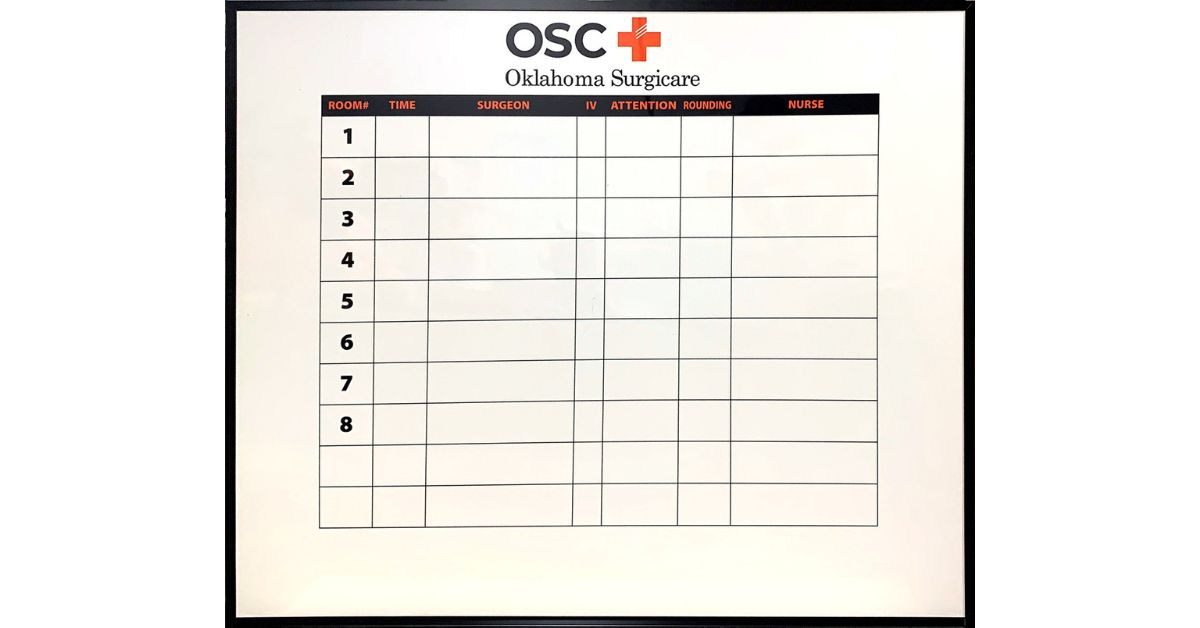
Nursing stations and teamwork areas often became command points during the pandemic. Teams used boards to track assignments, room status, pending discharges, and isolation-related notes in a format that made sense at a glance. This helped charge nurses and unit leaders identify pressure points during the shift. It also supported smoother handoffs when staffing changed or float staff joined the unit.
Better Patient Engagement Under Stress
The pandemic increased stress for patients and healthcare workers alike. Many patients felt isolated, anxious, or unsure about what would happen next, especially when visitor access remained limited. A useful room board created a small but important layer of orientation by showing the day’s plan, the care team, and immediate next steps. This helped patients feel more informed, even when staff interactions had to stay brief.
Boards Helped Patients Participate
Patients can engage more effectively when they know the goal. A board that lists mobility, respiratory goals, therapy timing, or discharge preparation helps turn the day into a sequence patients can follow. Nurses can point to the board during conversations to reinforce expectations more clearly. This works especially well when the board uses simple, direct language.
Family Communication
Families often relied on phone calls rather than bedside conversations during the pandemic. A room board provided staff with a clear summary of the patient’s day that could support those updates. When nurses and providers referenced the same information already displayed in the room, communication stayed more consistent. This reduced the chance of mixed messages across multiple conversations.
Examples of Whiteboard Use in Healthcare
Teams often got the strongest results when the board displayed information people could reference during the shift.
- Nurse and provider names
- Daily patient goals
- Planned tests or therapies
- Mobility or safety reminders
- Discharge preparation steps
- Shift or room status updates
What Healthcare Facilities Learned From the Shift
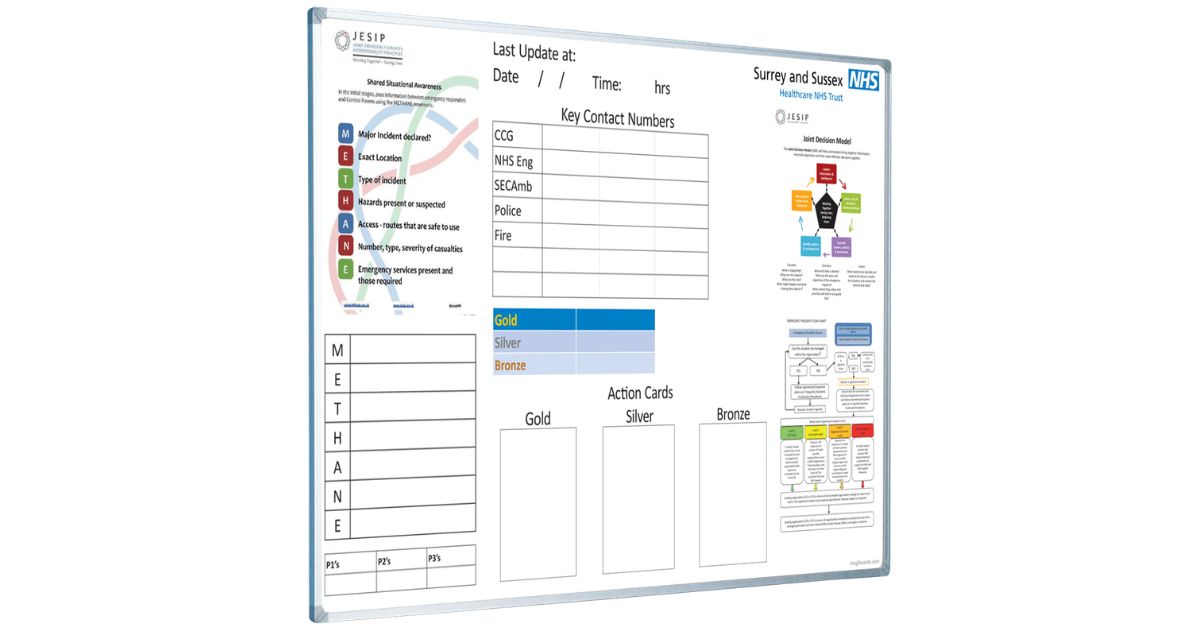
The biggest lesson was not simply that healthcare used whiteboards more. The lesson was that healthcare used whiteboards better when the board supported a real communication need. Facilities learned that useful board design depends on workflow, visibility, consistency, and ease of updating.
They also learned that custom printed formats often improve adoption because staff do not need to create the structure from scratch. That is how the pandemic changed whiteboard use in healthcare. Whiteboards became more strategic, more structured, and more closely tied to the daily reality of healthcare operations.
Support clearer patient communication and more organized daily workflows with medical dry-erase boards from Magiboards USA. Designed for real healthcare settings and available with custom printed layouts, these boards help your team keep key updates visible, improve coordination across care areas, and create a more consistent experience for staff and patients. Explore our products today!