

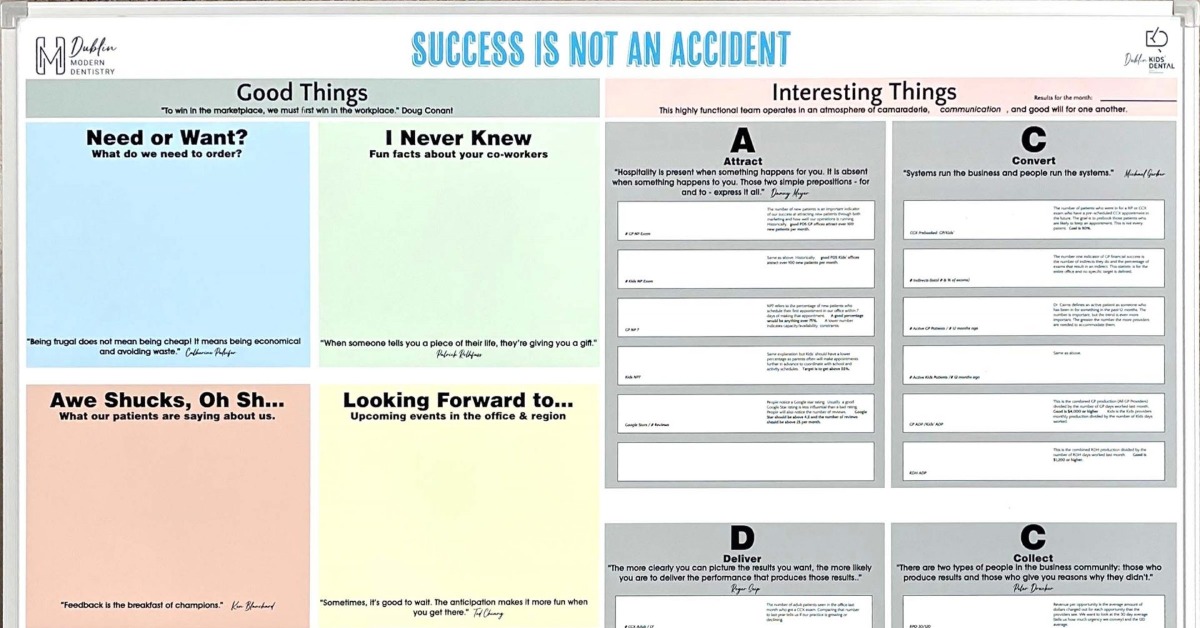
Strong teams don’t form through occasional meetings. You build them when people have space to share ideas, solve problems together, and clearly see how their work connects to a shared goal. When you use whiteboards effectively for team building, you give your team a simple but powerful way to make collaboration visible and interactive. A whiteboard turns everyday discussions into something everyone can actively shape.
As ideas appear in real time, your team responds more naturally and builds on each other’s thinking. That shared focus often leads to more honest participation and better engagement.
Start With a Clear Purpose for the Session
Your team engages more when they understand why they’re gathering. Before you pick up a marker, set the direction for the session so everyone knows what you’re working toward. That clarity helps people contribute with intention.
Tie the purpose to something your team actually experiences. You might want to improve communication between shifts or strengthen relationships after a period of change. Whatever the focus, let the whiteboard support that goal rather than becoming a general idea dump.
Make Participation Visible
One of the biggest advantages of a whiteboard is how naturally it brings participation into view. Instead of relying on a few voices, you can show the entire group how the conversation develops in real time.
As ideas come forward, you can write them down or invite team members to add their own input. This visibility helps quieter participants feel more comfortable joining in because they can see their thoughts mattering in the moment.
Avoid Letting One Voice Control the Board
Keep the marker moving between people whenever possible. When you rotate who writes or intentionally invite input from different team members, you create a more balanced conversation. The board then reflects the group, not just one perspective.
Use the Board to Find Common Ground
Team building becomes more effective when people recognize shared priorities. A whiteboard helps you surface those connections quickly because everyone can see ideas side by side. When your team approaches a problem differently, write each perspective clearly and then guide the group toward the underlying goal. You’ll often find that people agree more than they initially realized, even if their methods differ.
Build From Shared Priorities
Once your team identifies a shared goal, keep it visible throughout the session. Refer back to it whenever the discussion becomes complex or divided. That simple anchor helps everyone stay aligned.
Turn Brainstorming Into a Team Activity
Brainstorming works best when your team can see ideas evolve together. A whiteboard supports that process by allowing people to build on each other’s thoughts rather than working in isolation.
Start by encouraging open input without judgment. Let ideas flow freely before you begin evaluating them. This approach helps your team feel more comfortable contributing and prevents early ideas from dominating the session’s direction.
Keep Brainstorming Easy to Follow
As ideas accumulate, group related thoughts so the board stays readable. Leave space between categories so your team can quickly scan and compare ideas without feeling overwhelmed by clutter.
Use Visual Exercises to Strengthen Problem-Solving
When your team works through real challenges together, collaboration becomes more meaningful. A whiteboard gives you the flexibility to break down problems visually so everyone can see how different parts connect.
For example, you can use it to map a process from start to finish or trace where communication begins to break down. As the structure becomes visible, your team can discuss solutions with a clearer shared understanding.
Focus on the Process Instead of the Person
Keep the conversation centered on how the system works rather than who made a mistake. When you shift your attention to the process, your team becomes more open to solving problems together rather than assigning blame.
Create Activities That Encourage Team Reflection
Your team grows stronger when you take time to reflect on how you work together. A whiteboard gives you a neutral space to guide that reflection without turning it into a complaint session. As you explore recent projects or shared experiences, write down key observations so everyone can see patterns forming. This helps your team move from individual opinions to shared insights.
You can guide the conversation with prompts like:
- What helped your team work more effectively
- Where communication became unclear
- What slowed progress down
- What worked well and should continue
- What needs to change moving forward
- What support would improve collaboration
Let the discussion flow naturally instead of forcing equal time for every question! Focus on what reveals the most useful insight for your team.
Turn Team Ideas Into Visible Commitments
A strong session leads to action, not just discussion. Before you wrap up, help your team decide what they want to carry forward from the conversation. Move the most meaningful ideas into a dedicated space on the board and guide your team toward realistic commitments. When people see their decisions written clearly, they’re more likely to follow through.
Place the Board Where the Team Can Engage With It
Where you place your whiteboard directly affects how often your team uses it. Choose a location where people naturally gather so participation feels easy and accessible.
If your team meets regularly in one space, keep the board there so it becomes part of the routine. If your team moves between areas, choose a setup that still allows quick access and visibility.
When your team can see the board often, ideas and commitments stay present in daily work rather than fading after the session ends.
Use Custom Printed Whiteboards for Repeatable Activities
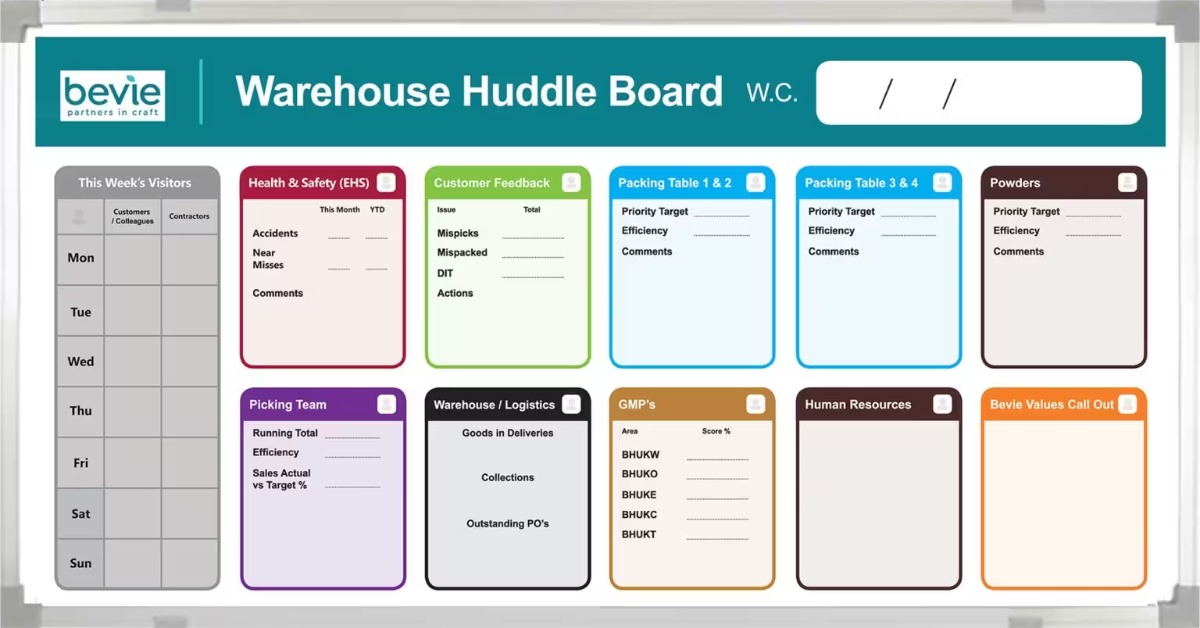
If your team runs regular sessions, consistency becomes important. A custom-printed whiteboard provides a structured layout so you don’t have to rebuild the framework each time you meet. You can design sections that match how your team naturally collaborates, such as space for goals, ideas, or decisions.
That structure helps your sessions start faster and stay organized without limiting flexibility. Choose a design or layout that already supports your process, and your team spends less time setting up and more time collaborating.
Build Stronger Team Habits With Whiteboards
When you understand how to use whiteboards effectively for team building, you start to see the board as more than a planning tool. You use it as a shared space where your team can think together and build stronger working habits.
The most effective sessions are the ones where you guide the conversation while letting your team shape the outcome. With the right structure and consistent use, a whiteboard becomes a simple but powerful way to strengthen collaboration over time.
Ready to make your next team-building session more engaging and productive? Magiboards USA offers a whiteboard on stand designed to encourage collaboration and make shared ideas easy to see. Bring it into meetings, workshops, or group activities so your team can contribute in real time and work through challenges together! Strengthen your team with Magiboards USA today.