

A board can look great on day one and still disappoint a year later if it stains, ghosts, or feels annoying to maintain. Glass boards and white boards earn attention because they stay crisp and modern, but buyers still want proof they will hold up under real traffic. Read on as we break down how materials, construction, and everyday habits influence the longevity of magnetic receptive glass boards, so you can keep writing confidently.
What Longevity Really Means In Daily Use
Longevity is about steady performance. If a board stays clear, stable, and easy to update, teams keep using it as their shared source of information.
Durability Shows Up As Clarity
A board can be unbroken and still feel worn if it looks cloudy or holds onto faint shadows of old notes. Long-term durability means ink stays bold, old marks erase cleanly, and the surface stays bright enough to scan. It also means the board feels solid when you write, so people do not compensate by pressing harder or avoiding certain areas.
How The Board Handles Shared Use
Shared rooms bring mixed marker brands, uneven cleaning, and constant touch from many hands. A board that lasts should tolerate those variables without becoming high-maintenance. It should erase well even when notes sit longer than planned, and it should stay readable after quick wipes. If performance remains consistent across users, people would stop creating messy workarounds that add clutter and residue.
The Materials That Help Boards Last
Glass lasts because it is nonporous and stable, but the details still matter. Tempering, thickness, and overall build quality shape how the board feels after years of use.
Strength Without Warping
Tempered glass handles everyday bumps better than standard glass, which matters in busy offices, schools, and work areas. It also improves safety behavior in the event of breakage. For longevity, tempering helps the panel stay flat and consistent, so writing feels smooth across the surface. A stable panel also makes cleaning easier because residue is less likely to collect in subtle dips or flex points.
Resists Ghosting And Stain Buildup
Painted steel and melamine boards can ghost because ink bonds to porous layers over time. Glass resists that because ink sits on top instead of soaking in. If haze appears, it is usually removable residue, not permanent staining. With routine cleaning, you can restore a clear finish without aggressive scrubbing, helping the board keep a “new” look in busy rooms.
Magnetic Receptive Performance
Magnetic glass boards and whiteboards add posting power, but the magnetic system must remain dependable.
The Magnetic Layer
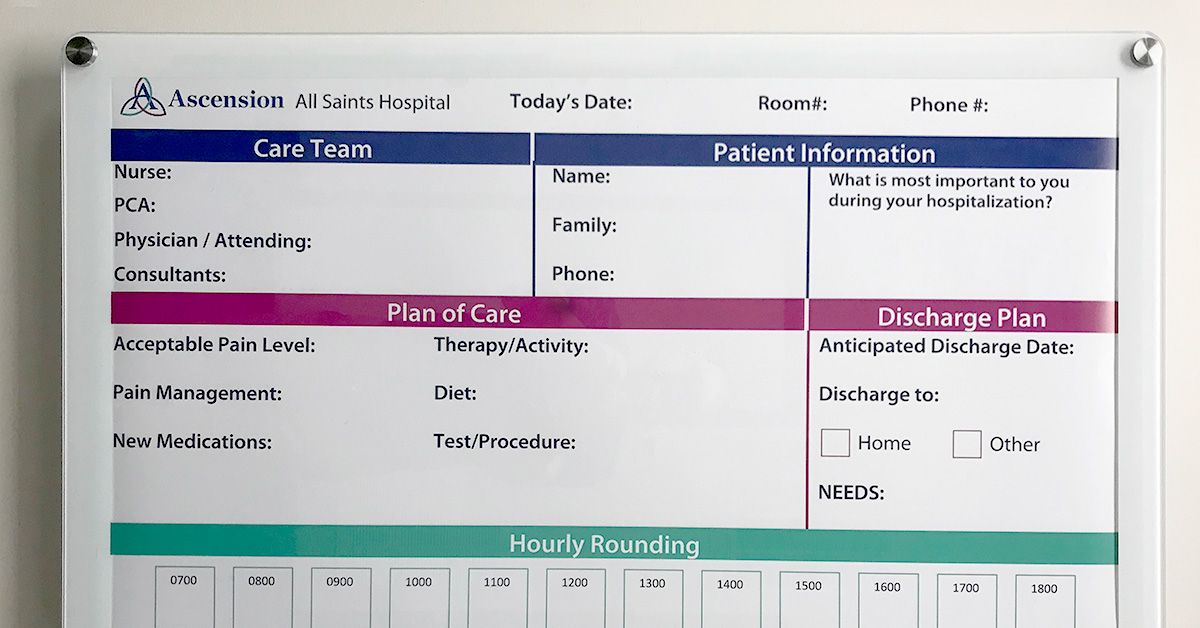
The magnet holding power depends on a magnetic receptive backing and the thickness of the board system. The magnet needs to have the strength bond to the magnetic receptive backing through the glass. Typically, rare earth magnets are needed to achieve this bond. Consistent holding power lets teams use the full surface for posting. Over time, reliable magnet performance reduces improvisation and keeps the board organized and clean.
Smart Magnet Habits Protect The Surface Experience
Magnets can pick up grit in warehouses, shops, and busy corridors, especially near packing stations. If you slide them across the board, that grit can grind into the magnet faces, making repositioning feel rough. Lift-and-place habits reduce wear and keep posting smoother. A quick wipe of magnets during routine cleaning also helps the board look crisp, especially near corners where magnets cluster.
Construction Details
Construction details control stability and comfort, which in turn influence how people treat the board. Edges, mounting methods, and fit determine whether a board still feels premium years later.
Edge Finishing
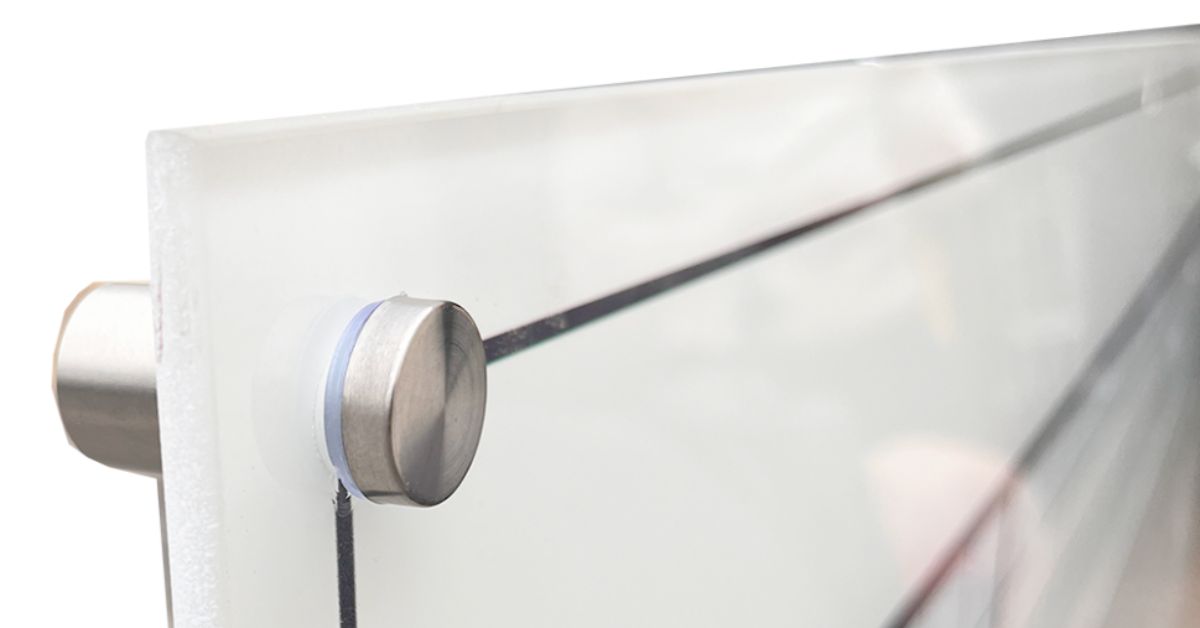
Edges see constant contact during cleaning and close-up writing. Clean, well-finished edges reduce the chance of chips and remove sharp spots that catch sleeves or hands. Edge quality also supports appearance in client-facing rooms where small defects stand out. When edges remain intact, the board continues to look intentional and well cared for, encouraging people to keep it clean.
Mounting Quality Drives Stability
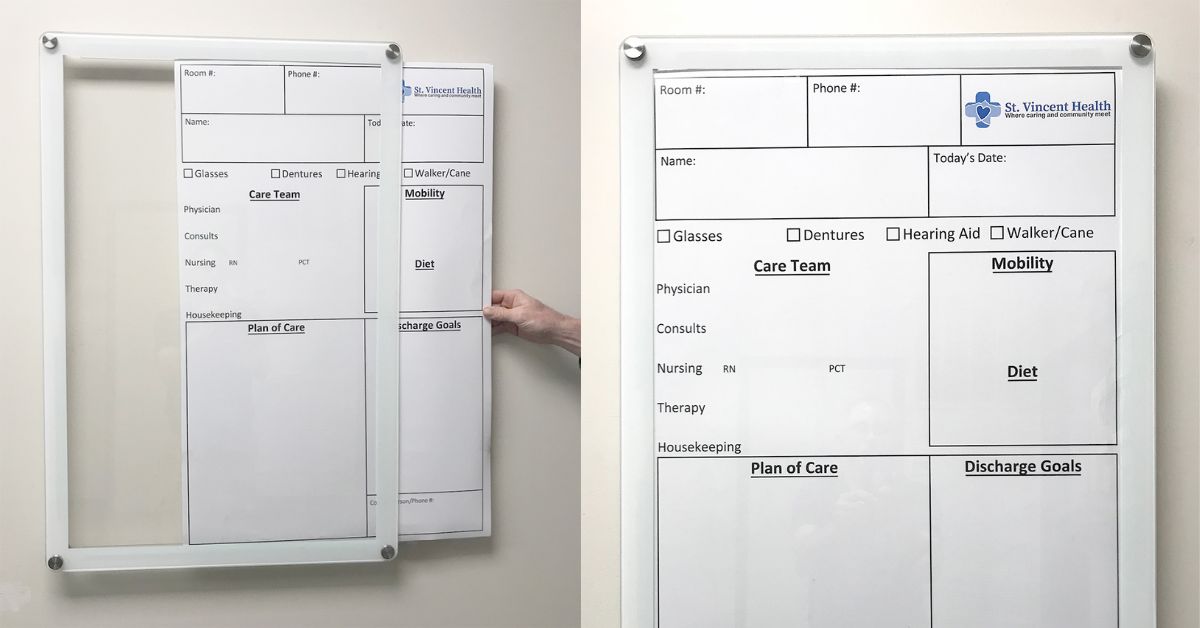
If a board shifts while you write, users notice immediately and often press harder or avoid parts of the surface. Proper anchors and load distribution keep the board stable and protect the wall behind it. Stability supports longevity because movement can loosen hardware over time. A steady board encourages lighter writing, cleaner erasing, and more consistent updates from every team.
Maintenance That Keeps A Board Looking New
Most “wear” is really residue. Simple routines prevent haze, protect readability, and keep the board easy to trust during fast meetings.
Marker Choice And Writing Pressure
Some markers leave heavier residue that can build into a dull film in high-use zones. Choose quality dry-erase markers that perform cleanly on glass, and keep permanent markers out of shared rooms. Writing pressure matters too because glass does not require force. Lighter pressure keeps lines crisp, reduces residue, and extends marker tip life, which lowers cleanup effort over time.
Cleaning Frequency
A quick wipe at day’s end keeps residue from settling and protects clarity for the next group. In heavy-use rooms, a weekly cleaning reset can restore brightness without aggressive scrubbing. Avoid abrasive pads that can scratch frames or nearby finishes. When cleaning stays gentle and consistent, the surface remains readable, professional-looking, and easy to maintain for everyone.
Environment And Installation Choices
Placement affects how clean the board looks and how often it is updated. Lighting, temperature swings, and traffic patterns can either support good habits or quietly work against them.
Glare And Lighting
Glare can hide writing and exaggerate smudges, making a clean board appear cloudy. If people shift side-to-side to read, adjust placement or lighting angles. Position the board to reduce reflections from windows and bright fixtures, and ensure key text is readable from a few steps back. Better visibility reduces overwriting and heavy pressure, which helps the surface stay cleaner longer.
High-Traffic Locations
In hallways and shared work zones, boards face bumps, vibration, and crowded huddles throughout the day. Strong mounting matters, but so does clearance. If writers cannot stand comfortably, they twist, lean, and smudge more often. Leave space for one person to write while others read, and avoid spots where carts or doors pass closely during shift changes. Comfort supports cleaner updates.
When Durability Becomes The Default Setting
A long-lasting board is one you stop thinking about because it keeps working. When the surface erases cleanly, magnets hold where you need them, and the board stays readable under your lighting, teams update it more often and maintain it with less effort. With solid construction and simple routines, the longevity of magnetic receptive glass boards becomes a daily advantage you feel in smoother meetings, not in replacement cycles.
Looking for reliable whiteboard manufacturers? Magiboards USA offers a wide range of glass whiteboards and fully customizable whiteboards designed for long-term daily use. Explore options that support how your team communicates and keep your visual space working as hard as you do!