

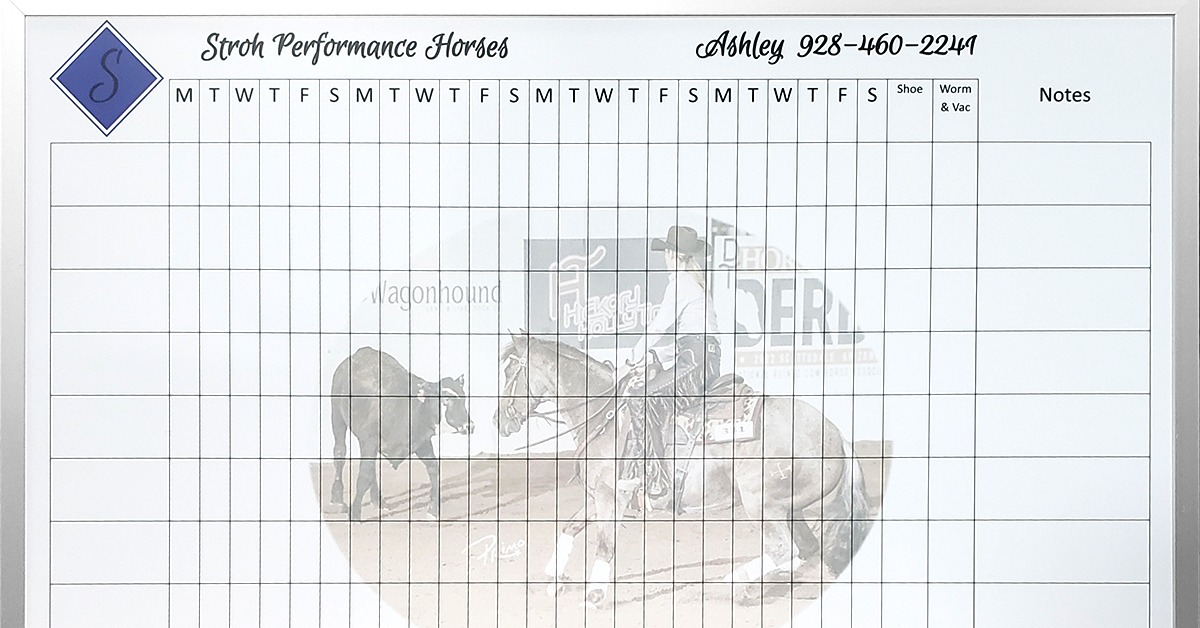
A stable runs on constant communication. Staff members need to know which horses are going out, which riders are arriving, what care needs attention, and where changes have occurred during the day. A generic blank board can help for quick notes, but it often becomes difficult to manage once several people start using it.
The goal should be to make that information easy to find without forcing staff to sort through a crowded whiteboard. Here are a few whiteboard layouts for stables and equestrian organizations to organize daily operations while keeping important updates visible.
Build the Layout Around Daily Horse Care
A dedicated care section can give staff a place to record routine instructions that need attention during the current shift. The layout should make it easy to connect each update with the correct horse.
Instead of filling one large space with handwritten notes, divide the board into clear rows or blocks. One row can represent each horse, while permanent column headings keep the information consistent. This gives staff a repeatable format that remains familiar even when the details change.
Leave Space for Same-Day Changes
Barn routines change quickly when a horse needs different care or when staff adjusts the schedule. Leave a writable area where employees can add temporary instructions without covering the permanent layout. This keeps urgent changes visible until the team transfers them to the correct long-term record.
Separate Turnout Planning From General Notes
Turnout creates its own set of coordination needs. Staff needs a clear way to see which horse goes where and when a change affects the normal routine. A dedicated turnout layout prevents this information from disappearing inside a larger collection of barn notes.
The board can organize horses by paddock, field, or turnout group. If turnout assignments change often, a larger open section can give staff more room to update locations throughout the day.
Keep the layout simple enough to read from several feet away! Barn employees often review the board while preparing horses or moving through the aisle, so they should not need to stand directly in front of the surface to understand the next assignment.
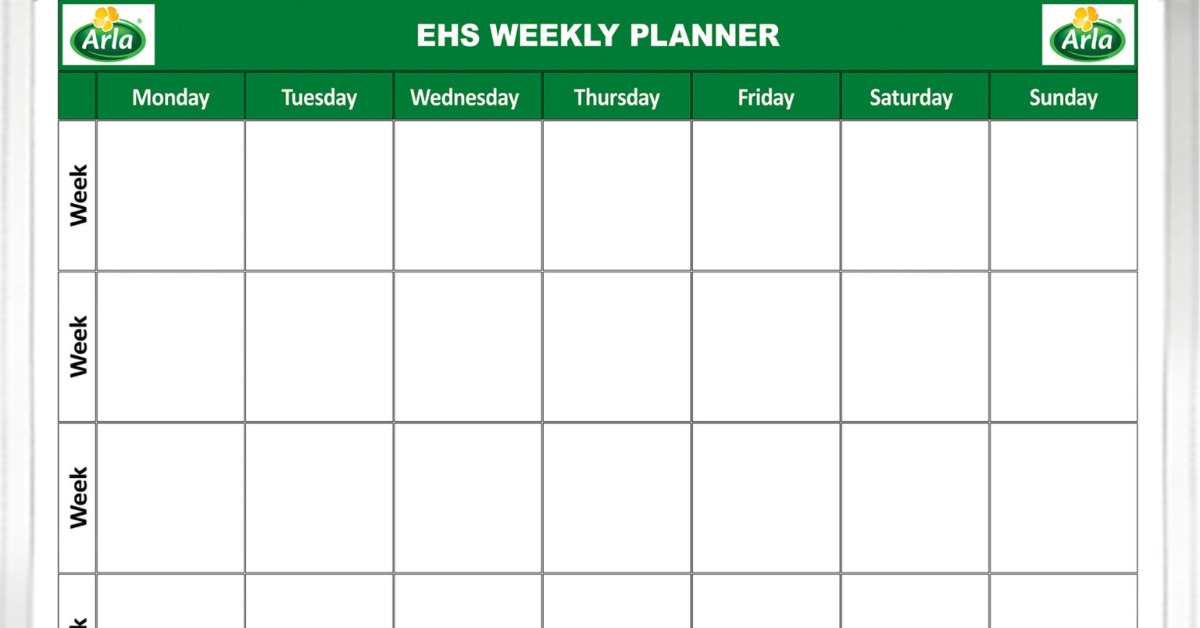
Organize Lesson Schedules for Riding Programs
Lesson barns need a layout that supports instructors and riders without turning the board into a dense calendar. A clear lesson section can help staff understand how the day will unfold before riders arrive.
A time-based format often works well for this type of board. Hours can run down one side, while instructors or arenas appear across the top. Staff can then write the current lesson assignment into the correct space.
A useful lesson layout can include:
- Lesson time
- Instructor
- Rider
- Assigned horse
- Arena
- Schedule change
Keep these fields limited to what staff actually use during the day. Too many permanent categories can make the board harder to maintain.
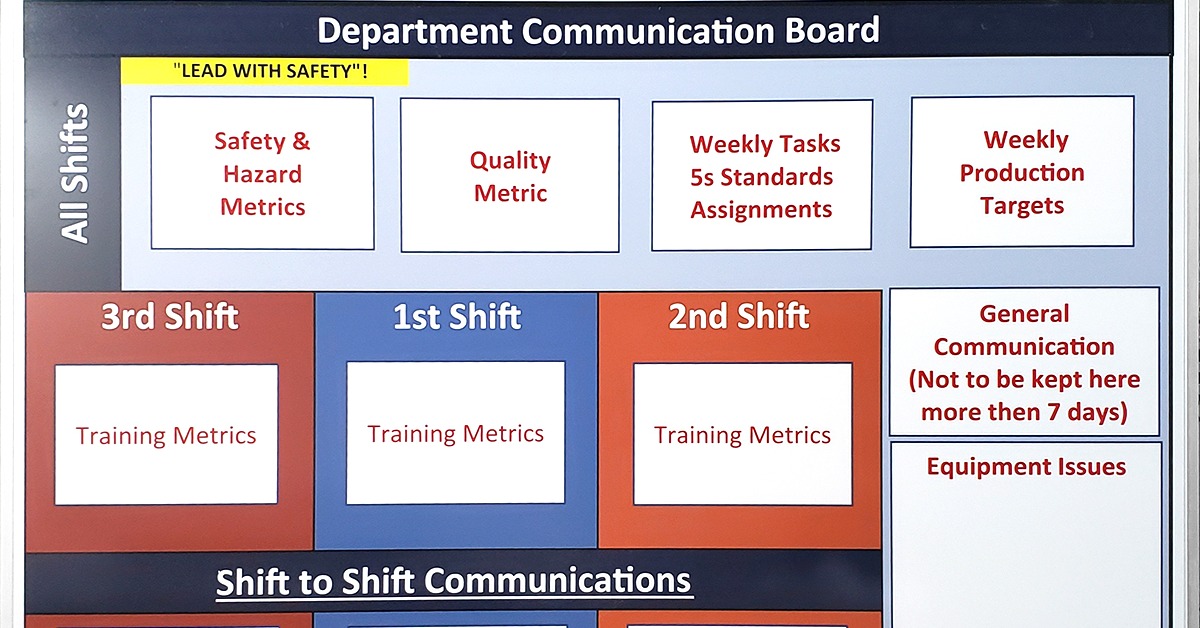
Create a Clear Staff Handoff Section
Barn work rarely happens within one shift. Morning staff may notice an issue that evening staff needs to follow up on. A whiteboard can support that handoff when the layout includes a clearly marked area for current observations.
This section should focus on immediate operational information. Staff can note that a stall needs extra bedding or that a horse requires closer observation. The board gives the next shift a visible starting point when they arrive.
Give Event and Show Preparation Its Own Layout
Equestrian organizations often need additional coordination before shows or barn events. Event preparation can create a different workflow than the normal daily routine, so it deserves its own visible structure.
A temporary event area can show what the team needs to complete before the scheduled date. Staff can update progress as they prepare equipment or organize facility areas, which helps the group see what still needs attention without mixing event tasks into horse care notes.
For organizations that host events regularly, a custom printed section can make preparation easier to repeat. Permanent headings give the staff the same starting structure each time. The writable content changes while the framework stays familiar.
Keep Event Tasks Separate From Horse Care
Event planning should never crowd out routine care information. Place the event section away from the daily horse-care layout so staff can find each type of information quickly. Visual separation helps the board support both workflows without creating confusion.
Design the Board for Barn Conditions
A stable is not an office. Dust, frequent movement, and changing activity levels all affect how employees interact with a whiteboard. The layout needs to work in that environment.
Use large headings and enough writing space for quick updates. Narrow boxes force employees to write too small, which reduces readability. The board should also sit where staff can approach it safely without blocking a busy aisle or work area.
The best location is not always the most visible wall! It is the place where staff already pause to organize work.
Use Custom Printed Whiteboards to Standardize the Layout
Custom printed whiteboards give staff a permanent framework without taking away the flexibility of dry-erase writing. Instead of redrawing turnout grids or lesson columns every morning, staff can begin with the same organized surface each day.
This approach helps larger teams stay consistent. New employees can understand the board faster because the layout doesn’t depend on one person’s handwriting or personal system. Everyone works from the same visual structure.
Customization also helps organizations avoid wasted board space. The layout can devote more room to high-use sections and less room to information that changes less often. A board designed around real barn activity will stay useful longer than a generic grid.
Build a System Around the Way Your Stable Works
The most effective whiteboard layouts for stables and equestrian organizations should reflect the way the facility moves through the day. The strongest boards give staff a clear place to check care instructions and understand turnout plans. They also support lesson scheduling without burying important information inside a general notes section.
Custom printed layouts make that structure easier to maintain. Staff can work from the same format every day while still updating the details that change. When the board matches the stable’s actual routine, employees spend less time searching for information and more time carrying out the work.
Ready to bring more structure to the way your stable runs each day? Magiboards USA offers customized whiteboards that can reflect your facility’s actual routines, from horse care to lesson scheduling. With a layout built around your operation, our customizable whiteboards can help your team find important information quickly and keep daily barn activity easier to manage.