

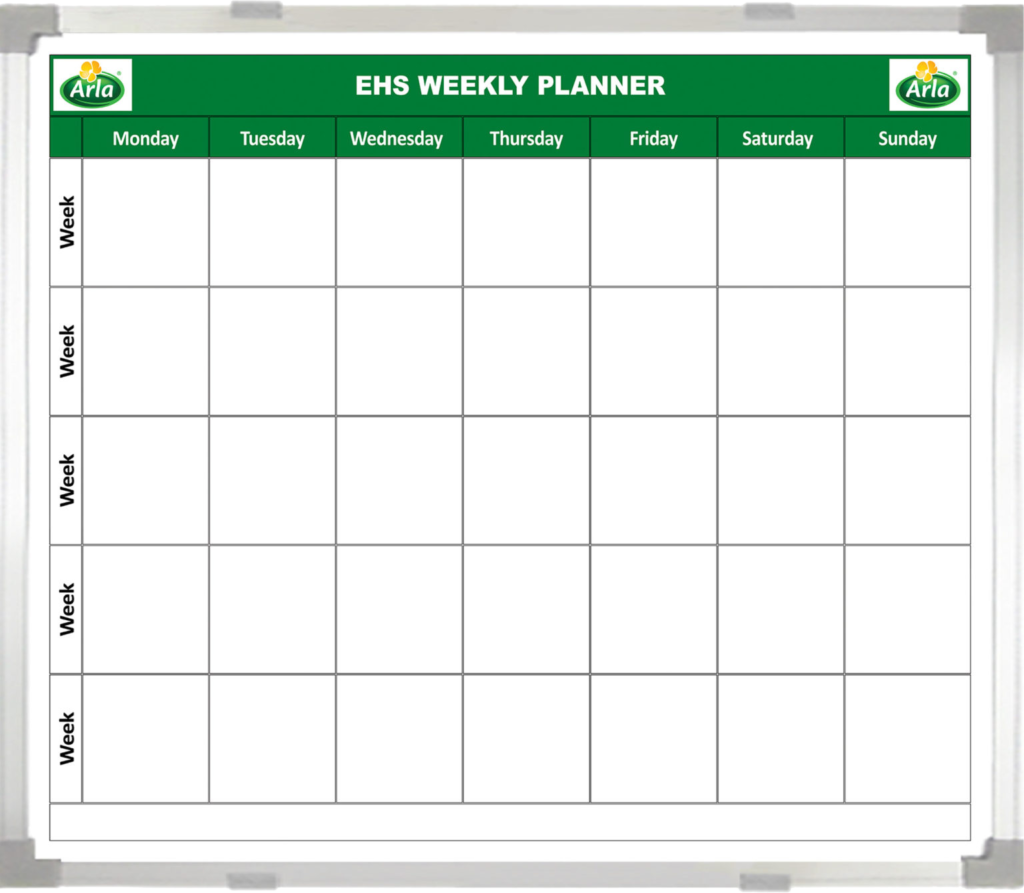
Running an auto shop takes more than technical skill. The team also needs a clear way to see what has come in, what still needs approval, and what should move next.
Adding whiteboards for auto shops for tracking repairs and orders shows how a visible system can keep service technicians and managers working from the same information. When the repair status is easy to read, the shop can move vehicles through the process with fewer delays and fewer missed updates.
Why Auto Shops Need Visible Workflow Tracking
Repair work involves multiple stages before a vehicle is released from the shop. These include vehicle intake, diagnosis, repair completion, and final inspection. Without a visible tracking system, these steps may become indistinct. A whiteboard provides a centralized location for the team to monitor the status of each job in real time.
Many auto shops utilize software for estimates and customer records, which effectively manage documentation. However, these tools may not provide the entire team with an immediate visual overview of daily operations. A whiteboard addresses this limitation by displaying the current workload in an accessible format. This visibility supports organizational efficiency, particularly when schedules change or unexpected issues arise.
A Visual System Helps the Shop Read the Day
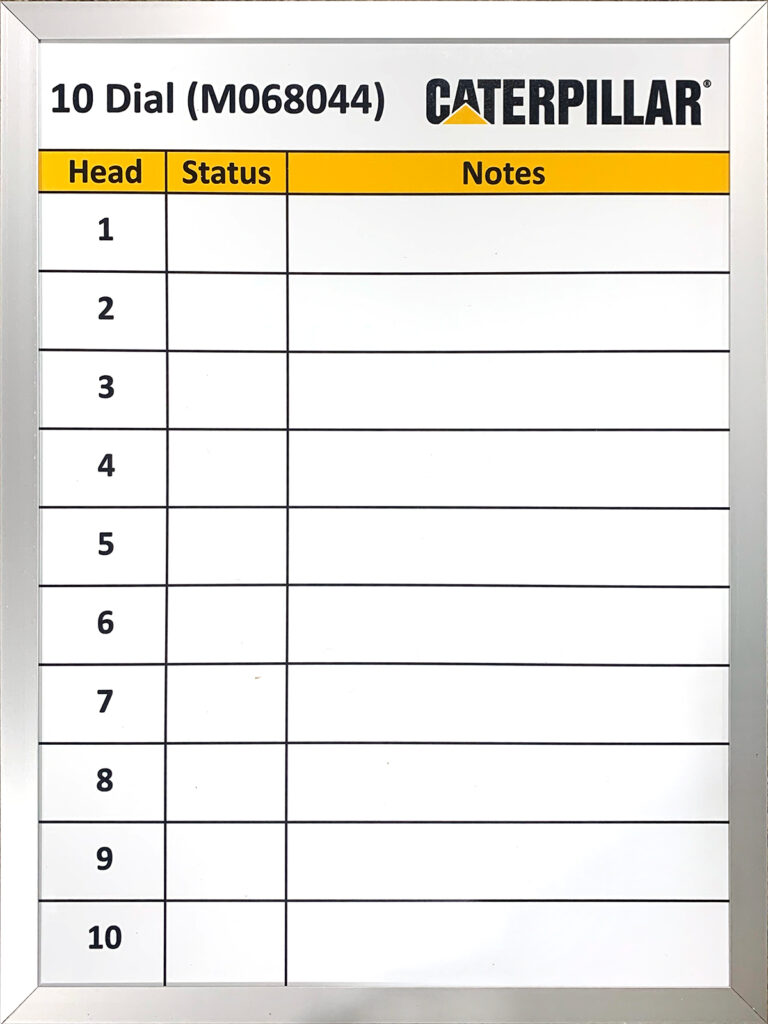
People in an auto shop do not always have time to stop for a full update. They need to know what is moving and what needs attention right now. A board on the wall keeps that information visible throughout the day. In a busy service environment, that kind of clarity supports faster and better decisions.
Track Repair Status Without Guesswork
Repair status should not rely on memory or frequent verbal communication. A whiteboard divides the workflow into distinct stages, allowing the team to determine whether a vehicle is awaiting diagnosis, parts, or pickup. Consistent use of standardized status flows ensures that all team members interpret the board uniformly, reducing the risk of overlooked jobs.
Jobs awaiting approval should be clearly distinguished from those in active repair, as should vehicles pending parts delivery. When these distinctions are visually apparent on the board, the team can respond more promptly.
Keep Parts Orders and Backorders in Plain View
Parts issues can quickly slow a shop down. A repair may be ready to move, but one delayed item can hold up the job and the promised completion time. A whiteboard helps the shop track whether parts have been received or still need confirmation. That keeps the team from losing sight of a repair in the middle of the process.
This also improves communication with customers. When the board shows that a part is still on order, the service advisor can explain the delay more clearly, rather than chasing the answer through multiple conversations.
Parts Tracking Deserves Its Own Section
Some shops try to squeeze parts notes into whatever space is left on the board. That usually creates clutter and makes the information harder to read. A better setup gives parts status its own place, so the team can immediately see which repairs are ready to move and which ones remain blocked. This becomes even more important when several delayed orders affect the same day’s schedule.
Use Whiteboards to Prioritize the Right Vehicles
Not every repair carries the same urgency. Some vehicles need same-day completion, while others cannot move until the customer responds or a part arrives. A whiteboard helps managers and advisors visually sort through those differences, rather than trying to keep them straight in memory. This makes it easier to decide what the shop should move first.
Priority markers can also help the team handle rush work without losing control of the rest of the day. Once urgent jobs stand out on the board, technicians and managers can respond more quickly without overlooking other scheduled repairs.
Support Better Customer Updates
Customers want clear answers about timing, repair status, and parts delays. Shops can provide better updates when the internal workflow remains visible and up to date. A whiteboard helps the team see whether a vehicle has reached diagnosis and whether needed parts have arrived. That makes customer communication much easier to manage.
It also helps the shop set better expectations from the start. If the board shows several vehicles ahead of a new repair, the advisor can give a more realistic timeline. If a delay ties back to a pending order, the team can explain it early rather than wait until pickup time becomes uncertain. Better internal visibility almost always leads to better customer updates.
Build a Board Around the Shop’s Actual Process
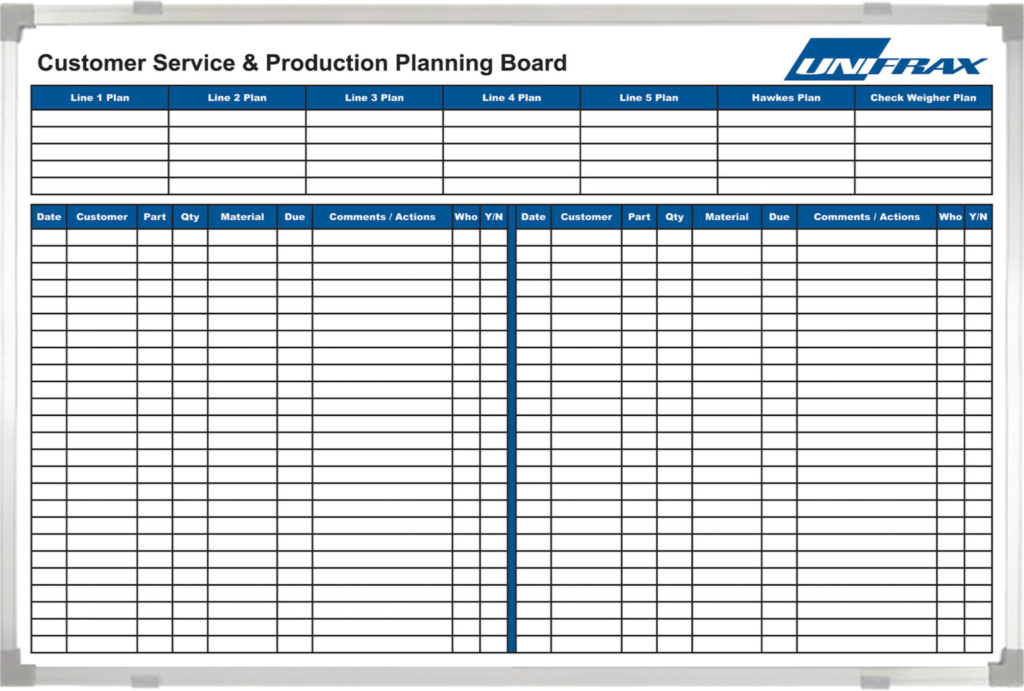
A blank board may work for a while, but many shops need more structure once the workload grows. A custom-printed whiteboard can include spaces for the repair stage, parts status, technician assignment, and the deadline. This gives the team a repeatable layout that matches the way the shop actually works.
A more robust layout reduces guesswork for everyone who uses it. Team members can follow the same format every day, making information more consistent from one shift to the next. For shops handling multiple active repairs, that consistency can improve coordination in a very practical way. Here are a few useful pieces of information to include on an auto shop board:
- Vehicle or work order identifier
- Assigned technician
- Repair status
- Parts status
- Customer approval status
- Promised completion timing
Stronger Workflow Starts With Better Visibility
A more effective use of whiteboards for auto shops often comes down to one simple advantage: the team can see the work more clearly. A system built around tracking repairs and orders helps shops manage parts delays and respond to schedule changes with more control. When the board reflects the actual repair process, it becomes more than a note surface. It becomes a daily workflow tool that helps the whole shop stay aligned from check-in to pickup.
Magiboards USA provides custom-printed whiteboards tailored to specific shop workflows, offering teams an improved method for tracking repairs and maintaining visibility of daily priorities throughout the facility. These fully customizable whiteboards are designed to support a more organized repair process and facilitate continuous workflow with fewer missed updates.